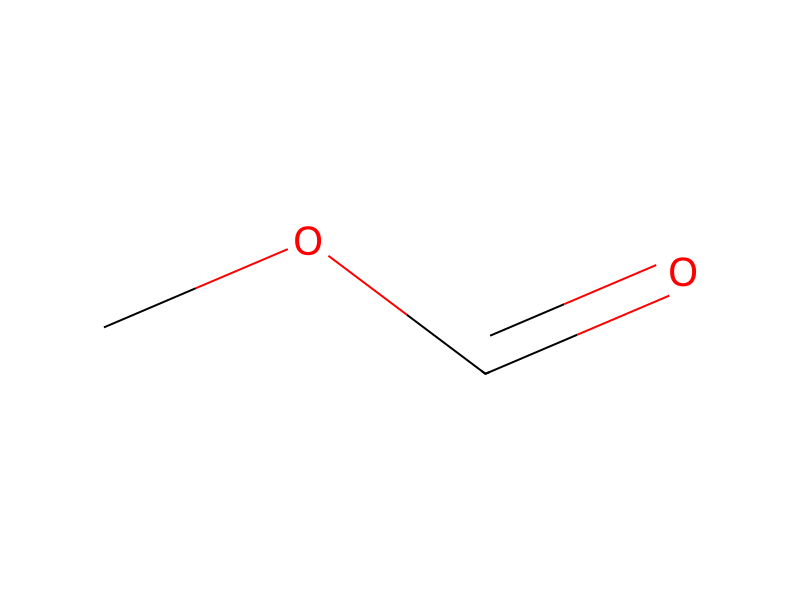
[CH3:1][O-:2].[Na+].[OH:4][C@@:5]1([CH3:26])[CH2:10][CH2:9][C@H:8]2[C@H:11]3[C@H:21]([CH2:22][CH2:23][C@:6]12[CH3:7])[C@:19]1([CH3:20])[C:14](=[CH:15][C:16](=[O:24])[CH2:17][CH2:18]1)[C:13](=[CH2:25])[CH2:12]3.Cl>N1C=CC=CC=1.COC=O.C(OCC)(=O)C>[OH:4][C@@:5]1([CH3:26])[CH2:10][CH2:9][C@H:8]2[C@H:11]3[C@H:21]([CH2:22][CH2:23][C@:6]12[CH3:7])[C@:19]1([CH3:20])[C:14](=[CH:15][C:16](=[O:24])/[C:17](=[CH:1]\[OH:2])/[CH2:18]1)[C:13](=[CH2:25])[CH2:12]3At room temperature, 2.2 g of sodium methylate is added to 3.0 g of 17β-hydroxy-17α-methyl-6-methyleneandrost-4-en-3-one (Tetrahedron 20: 597, 1964) in 70 ml of pyridine and 10.2 ml of formic acid methyl ester. After 18 hours, the reaction mixture is stirred into ice/water which contains hydrochloric acid. The precipitated product is suctioned off, dissolved in ethyl acetate, washed with water, and dried over sodium sulfate. Chromatography of the crude product on silica gel with a methylene chloride-(tert-butyl methyl ether) gradient yields 2.1 g of (Z)-17β-hydroxy-2-hydroxymethylene-17α-methyl-6-methyleneandrost-4-en-3-one as a foam.
Wird geladen…