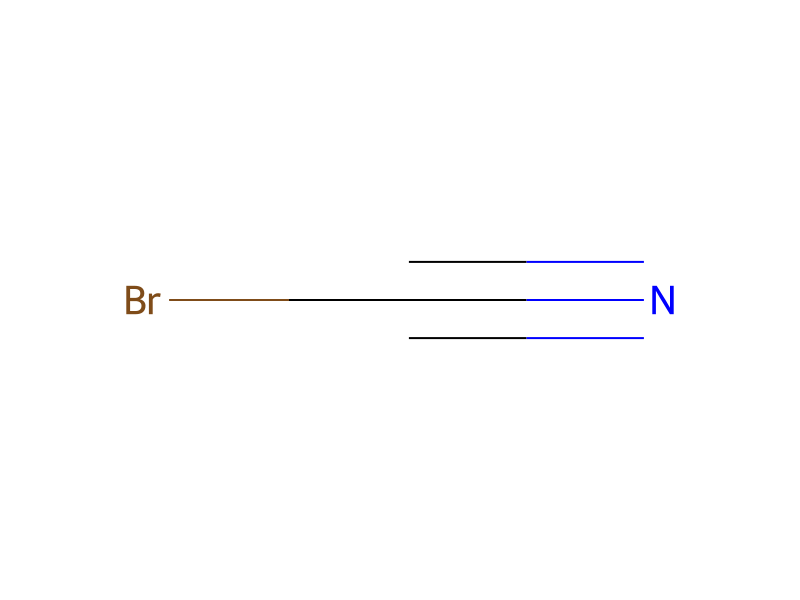
A 5 liter (L) 3-neck round bottom flask with thermowell was fitted with a condenser/N2 inlet, mechanical stirrer and an addition funnel. The pot was charged with 2-chloro-4-hydrazino-5-methoxypyrimidine (136 g of 70.7 wt. %, 96 g active, 0.55 mol) and isopropyl alcohol (IPA; 1100 mL). Cyanogen bromide (185 g of 34.6 wt. % in CH3CN, 64 g active, 0.6 mol) was added rapidly causing a slow endotherm from 22 to 15° C. and then a slow exotherm to 27° C. During the exotherm the mixture goes through a very thick stage which lasts several minutes. The slurry was then warmed to 42° C. and held there for 3.5 h at which time high pressure liquid chromatography (HPLC) analysis indicated the reaction was complete. The slurry was cooled to room temperature and treated with a solution of Na2CO3 (64 g, 0.6 mol) in water (1100 mL) over a 30 minute (min) period causing the temperature to exotherm 4° C. The mixture was stirred at ambient temperature for 2 h and then the solid was collected by filtration. The filter cake was washed with water (400 mL) and then pressed as dry as possible under aspirator pressure. This provided the title compound (190.1 g of wet cake, 51 wt % by HPLC, 97 g active, 88%) as a brown solid. Drying a sample to a constant weight resulted in the following data: MS(GC, 70eV) 201(15%), 200 (30%), 199 (70%), 198 (100%); 1 H NMR (300 MHz, DMSO-d6) 3.92 (s, 3H), 6.51 (br s, 2H), 7.11 (s, 1H).