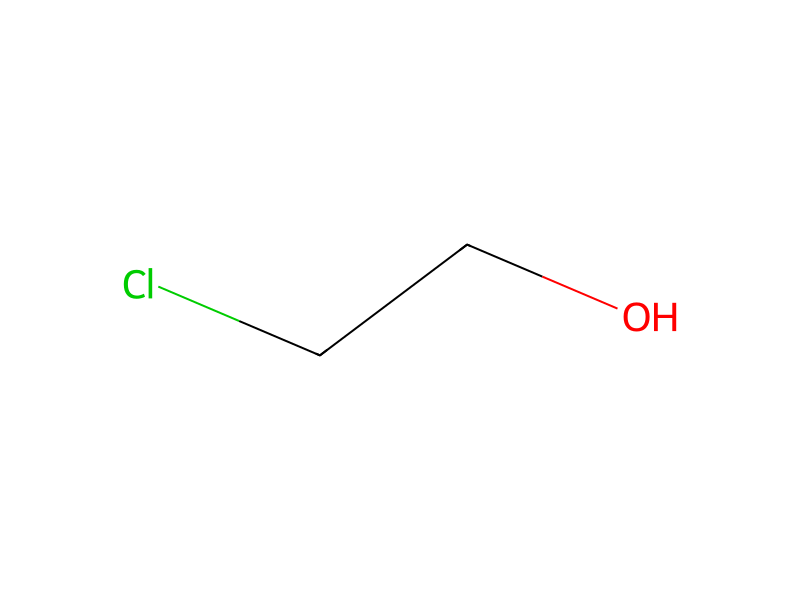
2-Chloroethanol → 2-[4-(2-Methyl-1H-imidazol-1-yl)phenoxy]ethanol
Reaktionsgleichung

[CH3:1][C:2]1[N:3]([C:7]2[CH:12]=[CH:11][C:10]([OH:13])=[CH:9][CH:8]=2)[CH:4]=[CH:5][N:6]=1.Cl[CH2:15][CH2:16][OH:17].C(=O)([O-])[O-].[K+].[K+].C(Cl)Cl>C(C(C)=O)C>[CH3:1][C:2]1[N:3]([C:7]2[CH:12]=[CH:11][C:10]([O:13][CH2:15][CH2:16][OH:17])=[CH:9][CH:8]=2)[CH:4]=[CH:5][N:6]=1Komponenten
6
Edukt 4



Produkt 1

Reagenzien, Katalysatoren, Lösungsmittel 1

Versuchsvorschrift
4-(2-Methyl-1H-imidazol-1-yl)phenol (10.0g, 0.057 mole), 2-chloroethanol (13.88 g, 0.172 mole) and potassium carbonate (23.74 g, 0.172 mole) were combined in methyl ethyl ketone (200 ml) and heated at reflux temperature for four days. The solution was cooled and the solid filtered and rinsed with acetone. The filtrate was concentrated to a residue and the residue triturated with hot acetone (2×50 ml). The remaining solid (1.5 g) was dissolved in methylene chloride. Insoluble materials were removed by filtrateion, and the filtrate concentraed to obtain 0.50 g (4%), mp 125°-127° C. Proton NMR indicates that methylene chloride is present in the sample.
Aufarbeitung
- temperatureheated
- temperatureat reflux temperature for four days
- temperatureThe solution was cooled
- filtrationthe solid filtered
- washrinsed with acetone
- concentrationThe filtrate was concentrated to a residue
- customthe residue triturated with hot acetone (2×50 ml)
- dissolutionThe remaining solid (1.5 g) was dissolved in methylene chloride
- customInsoluble materials were removed by filtrateion
- customto obtain 0.50 g (4%), mp 125°-127° C
Quellen und Nachweise
- ORD-Eintrag
- ord-b025a0e5c0284b4b9adfcfef3ea5a35f
- Quelldatensatz
- uspto-grants-1993_12
- Patentnummer
- US05273993
Notizen zur Reaktion
Wird geladen…