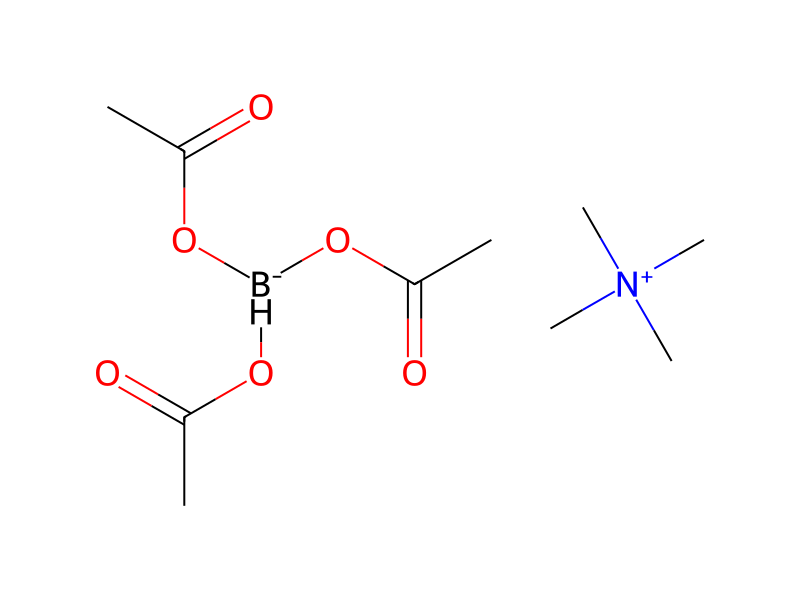
[C:1]([O:5][C:6](=[O:14])[NH:7][CH:8]1[CH2:13][CH2:12][NH:11][CH2:10][CH2:9]1)([CH3:4])([CH3:3])[CH3:2].[F:15][C:16]1([F:23])[CH2:21][CH2:20][C:19](=O)[CH2:18][CH2:17]1.C(O)(=O)C.C(O[BH-](OC(=O)C)OC(=O)C)(=O)C.C[N+](C)(C)C>CN(C)C=O.O>[F:15][C:16]1([F:23])[CH2:21][CH2:20][CH:19]([N:11]2[CH2:12][CH2:13][CH:8]([NH:7][C:6](=[O:14])[O:5][C:1]([CH3:4])([CH3:2])[CH3:3])[CH2:9][CH2:10]2)[CH2:18][CH2:17]1To a stirred solution of piperidin-4-yl-carbamic acid tert-butyl ester (2.00 g, 10 mmol) and 4,4-difluorocyclohexanone (1.61 g, 12 mmol) in N,N-dimethylformamide (50 mL), kept at room temperature, acetic acid (3 mL, 50 mmol) and tetramethylammonium triacetoxyborohydride (5.24 g, 20 mmol) were subsequently added. The reaction mixture was allowed to stir overnight then diluted with water (150 mL), extracted with diethyl ether and the organic layer was discarded. The aqueous phase was made basic with ammonia and extracted with ethyl acetate (3×100 mL). The combined organic phases were dried over sodium sulfate, evaporated to dryness and the residue was purified by column chromatography, using dichloromethane/ethanol/concentrated aqueous ammonia: 97.5/2.5/0.25 as the mobile phase. Tert-butyl [1-(4,4-difluorocyclohexyl)-piperidin-4-yl]-carbamate was obtained in fairly good yield as a white solid (2.5 g, 78%).