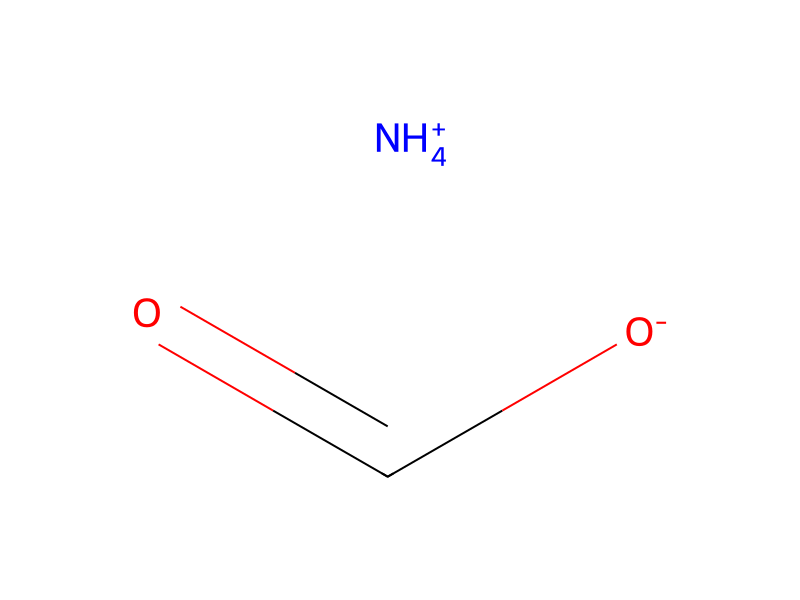
C([O:8][CH2:9][C:10]([CH3:31])([CH3:30])[CH2:11][N:12]1[CH2:17][CH2:16][N:15]([C:18]2[CH:23]=[CH:22][CH:21]=[CH:20][C:19]=2[O:24][CH2:25][C:26]([F:29])([F:28])[F:27])[CH2:14][CH2:13]1)C1C=CC=CC=1.C([O-])=O.[NH4+]>[Pd].CO>[CH3:30][C:10]([CH3:31])([CH2:11][N:12]1[CH2:13][CH2:14][N:15]([C:18]2[CH:23]=[CH:22][CH:21]=[CH:20][C:19]=2[O:24][CH2:25][C:26]([F:29])([F:27])[F:28])[CH2:16][CH2:17]1)[CH2:9][OH:8]A mixture of 3-benzyloxy-2,2-dimethyl-1-(4-[2-(2,2,2-trifluoroethoxy)phenyl]piperazin-1-yl)propane (2.5 g, 6 mol), 10% palladium on carbon (2.8 g), ammonium formate (3.8 g, 59.6 mmol) and methanol (130 mL) was heated 1 hour at reflux. The reaction mixture was allowed to cool to approximately 25° C., then filtered over celite (washing through with methanol and saturated sodium carbonate (20 mL)) and concentrated. The residue was dissolved in water and the solution was extracted with methylene chloride (3×20 mL). The combined extracts were dried (MgSO4) and concentrated. The residue was purified by chromatography on silica gel eluting with hexanes/ethyl acetate (8:2) to give 2,2-dimethyl-3-{4-[2-(2,2,2-trifluoroethoxy)phenyl]piperazin-1-yl}-1-propanol (1.6 g, 5.1 mol).