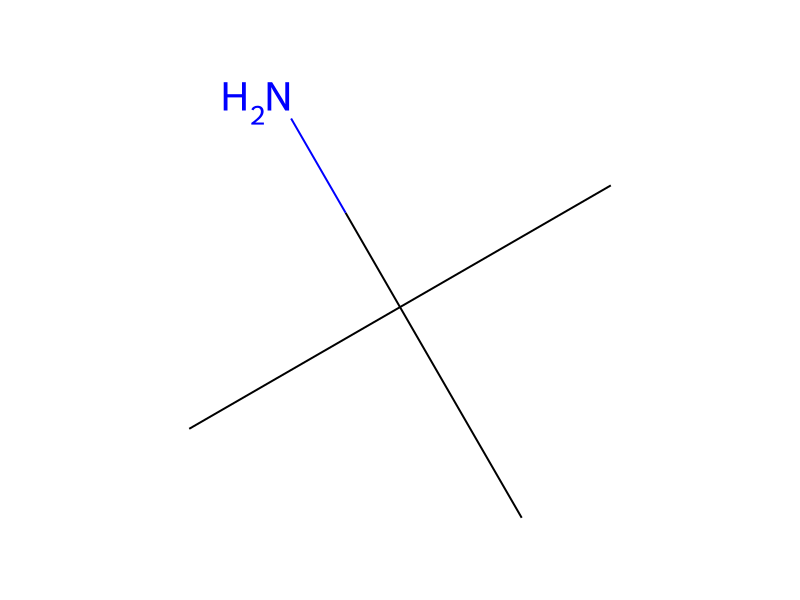
C(O[C:4]1[C:5](=[O:19])[C:6](=[O:18])[C:7]=1[NH:8][C:9]1[CH:14]=[CH:13][C:12]([C:15]#[N:16])=[CH:11][C:10]=1[OH:17])C.[C:20]([NH2:24])([CH3:23])([CH3:22])[CH3:21].ClCl.C(O)C>CCCCCC.C(OCC)(=O)C>[C:20]([NH:24][C:4]1[C:5](=[O:19])[C:6](=[O:18])[C:7]=1[NH:8][C:9]1[CH:14]=[CH:13][C:12]([C:15]#[N:16])=[CH:11][C:10]=1[OH:17])([CH3:23])([CH3:22])[CH3:21]A mixture of 3-ethoxy-4-(2-hydroxy-4-cyanophenyl)amino-3-cyclobutene-1,2-dione (0.395 g, 0.0015 mol) and tert-butylamine (4 ml, 0.038 mol) in enough CH2 Cl2 to form a solution (a small amount of dry ethanol was required) was stirred at room temperature for two days. During this time, a precipitate forms. TLC (2:1 ethyl acetate:hexane) indicates a loss of starting material. The reaction is evaporated to a solid on a rotary evaporator. The solid is taken up in ethyl acetate and extracted well with 0.25N HCl. The organic layer is washed once with distilled water, dried (Na2SO4), and evaporated to a solid. The solid is collected and washed with diethyl ether to give 3-(tert-butylamino)-4-(2-hydroxy-4-cyanophenyl)amino-3-cyclobutene-1,2-dione, 0.270 g (0.00095 mol, 62%).