StartseiteMCPWorkbenchSkills
StartseiteWorkbenchBenachrichtigungenMein Bereich
llms.txt · MCP-AnleitungDatenschutz · Nutzungsbedingungen · Supportv1.8.0
  1. Startseite
  2. /Reaktion

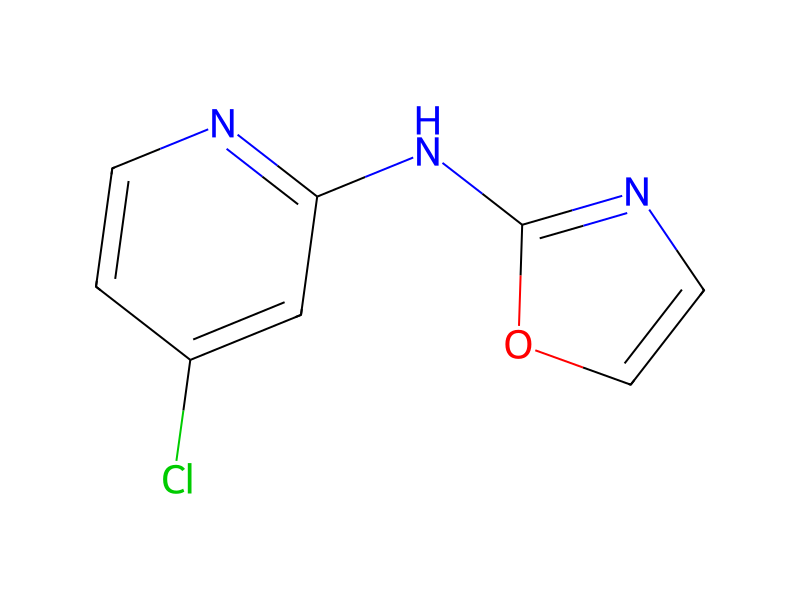
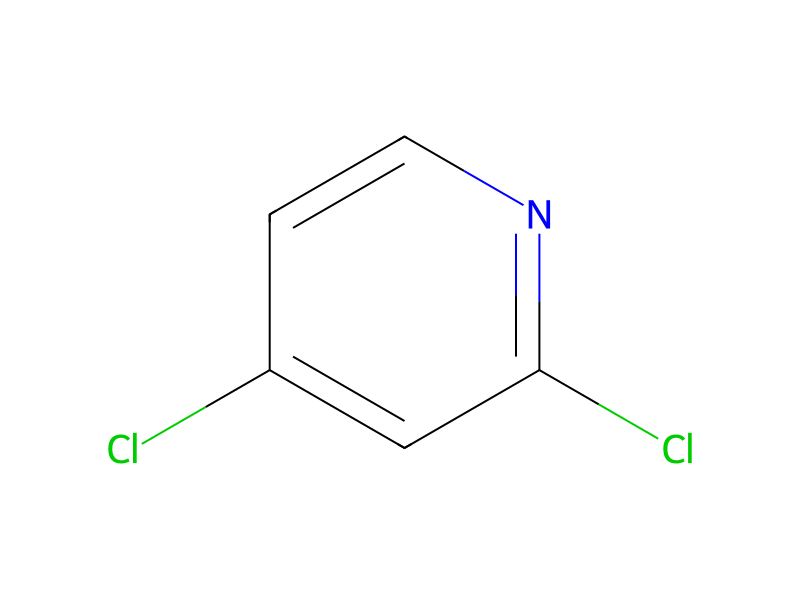
2,4-Dichloropyridine → N-(4-chloro-2-pyridinyl)-1,3-oxazol-2-amine

HRID 361
Notizen
Druckvorschau

Reaktionsgleichung

Reaktionsgleichung von HRID 361
Clc1ccnc(Cl)c1.Nc1ncco1>C1COCCO1.CC1(C)c2cccc(P(c3ccccc3)c3ccccc3)c2Oc2c(P(c3ccccc3)c3ccccc3)cccc21.O=C(/C=C/c1ccccc1)/C=C/c1ccccc1.O=C(/C=C/c1ccccc1)/C=C/c1ccccc1.O=C(/C=C/c1ccccc1)/C=C/c1ccccc1.O=P([O-])([O-])[O-].[K+].[K+].[K+].[Pd].[Pd]>Clc1ccnc(Nc2ncco2)c1
KomponentenReaktionsbedingungenVersuchsvorschriftQuellen und NachweiseNotizen zur Reaktion

Komponenten

7

Edukt 2

HCID 335152,4-DichloropyridineHCID 5585212-Aminooxazole

Produkt 1

HCID 130016260N-(4-chloro-2-pyridinyl)-1,3-oxazol-2-amineAusbeute 0 %

Reagenzien, Katalysatoren, Lösungsmittel 4

HCID 62657Potassium Phosphate, TribasicReagenzHCID 6360441,1'-(9,9-Dimethyl-9H-xanthene-4,5-diyl)bis(1,1-diphenylphosphine)
Katalysator
HCID 9811564Bis(dibenzylideneacetone)palladiumKatalysator
HCID 312751,4-DioxaneLösungsmittel

Reaktionsbedingungen

Temperatur
160 °C

Versuchsvorschrift

Objective: Will increased catalyst loading lead to increased isolated yield of the desired product? 2,4-dichloropyridine (0.109 mL, 1.01 mmol), oxazol-2-amine (102 mg, 1.22 mmol), TRIS(DIBENZYLIDENEACETONE)DIPALLADIUM(0) (186 mg, 0.20 mmol), (9,9-dimethyl-9H-xanthene-4,5-diyl)bis(diphenylphosphine) (352 mg, 0.61 mmol) (Xantphos) and potassium phosphate (430 mg, 2.03 mmol) were added to a microwave vail and the vial was purged with nitrogen. Degassed dioxane (4mL) was then added and the reaction mixture was heated to 160 °C for 6 h under microwave irradiation. Dichloromethane (10 mL) was added to the crude reaction mixture and the mixture was adsorbed onto silica gel. The crude product was purified by flash silica chromatography, elution gradient 0 to 20% EtOAc in heptane. Unfortunately and somewhat surprisingly, none of the desired product was isolated, although only a trace of required product was observed in the LCMS of the crude reaction mixture. Conclusion: It appears that under this higher catalyst loading the reaction is less efficent, potentially a concentration effect?

Quellen und Nachweise

ORD-Eintrag
ord-4973899cb35d49cd8a53a56048cd33f7
Quelldatensatz
750 AstraZeneca ELN dataset
Originallink
Quelle ansehen

Notizen zur Reaktion

Wird geladen…

Auf dieser SeiteKomponentenReaktionsbedingungenVersuchsvorschriftQuellen und NachweiseNotizen zur Reaktion