Acetic Acid → HCID 18997246, Verbindung
HRID 374543
Reaktionsgleichung

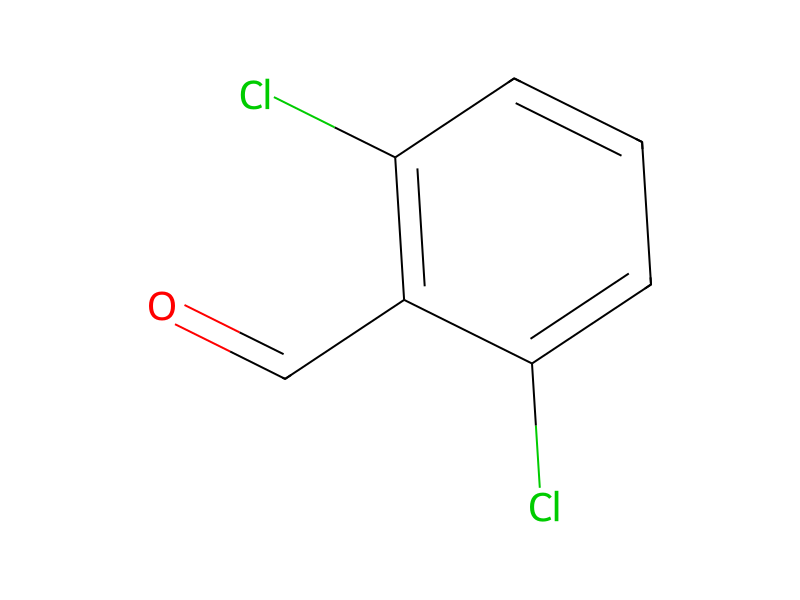
[Cl:1][C:2]1[CH:7]=[CH:6][CH:5]=[C:4]([Cl:8])[C:3]=1[CH:9]([CH3:20])[NH:10][C:11]1[CH:16]=[CH:15][CH:14]=[CH:13][C:12]=1[N+]([O-])=O.Cl[C:22]1[CH:29]=[CH:28]C=C(Cl)C=1C=O.[C-]#[N:32].[K+].O.[C:35]([OH:38])(=O)[CH3:36]>>[C:35]([C:12]1[CH:13]=[C:14]2[C:15]([CH2:22][CH2:29][CH2:28]2)=[CH:16][C:11]=1[NH:10][CH:9]([C:3]1[C:2]([Cl:1])=[CH:7][CH:6]=[CH:5][C:4]=1[Cl:8])[C:20]#[N:32])(=[O:38])[CH3:36]