Reaktionsgleichung

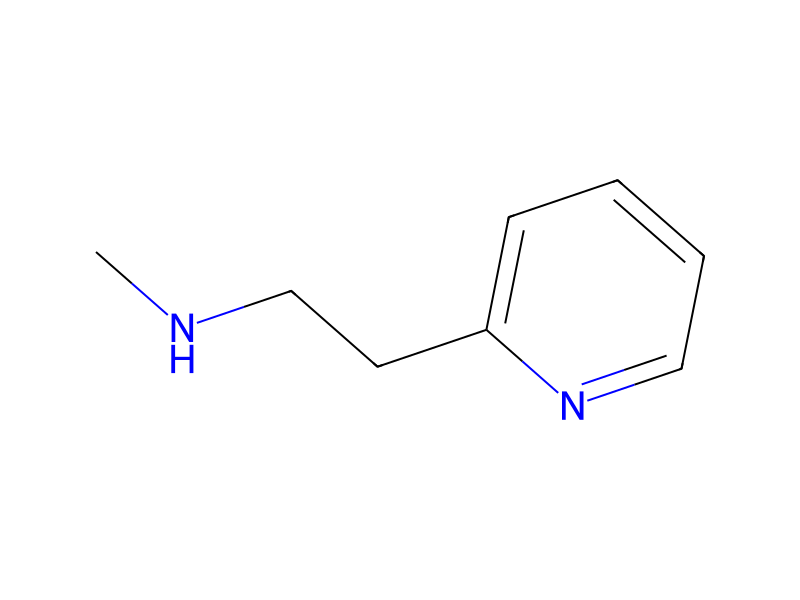
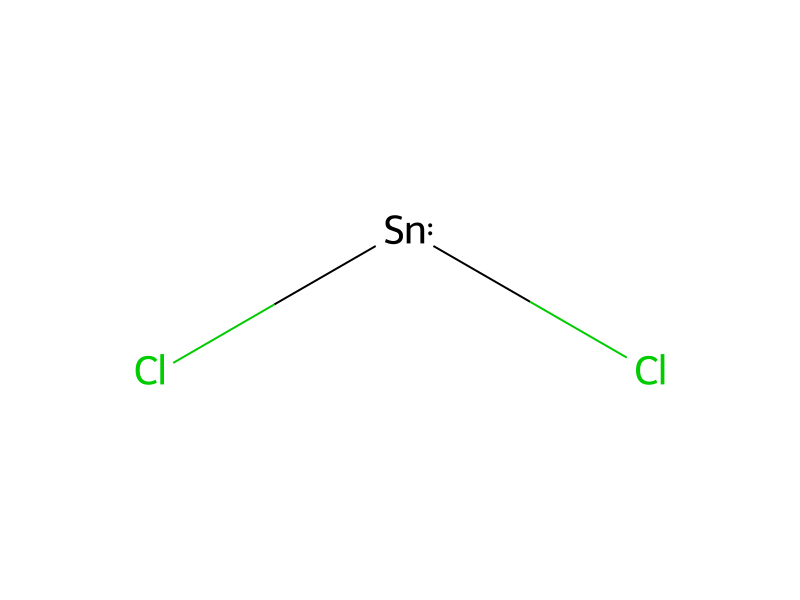
Cl[C:2]1[C:7]([N+:8]([O-])=O)=[C:6](Cl)[N:5]=[CH:4][N:3]=1.[CH3:12][NH:13][CH2:14][CH2:15][C:16]1[CH:21]=[CH:20][CH:19]=[CH:18][N:17]=1.[CH2:22]([C:24]1[NH:25][CH:26]=[CH:27][N:28]=1)[CH3:23].[Sn](Cl)Cl.[C:32](N1C=CN=C1)(N1C=CN=C1)=[O:33]>>[CH2:22]([C:24]1[N:28]2[C:27]([C:32](=[O:33])[NH:8][C:7]3[C:2]([N:13]([CH2:14][CH2:15][C:16]4[CH:21]=[CH:20][CH:19]=[CH:18][N:17]=4)[CH3:12])=[N:3][CH:4]=[N:5][C:6]=32)=[CH:26][N:25]=1)[CH3:23]Komponenten
6



Versuchsvorschrift
Prepared by treatment of 4,6-dichloro-5-nitropyrimidine with 2-(2-(methylamino)ethyl)pyridine followed by reaction with 2-ethylimidazole, reduction with tin (II) chloride and cyclization with carbonyidiimidazole.
Quellen und Nachweise
- ORD-Eintrag
- ord-83047f3e8901494e9a721f7f8a623fa2
- Quelldatensatz
- uspto-grants-2000_02
- Patentnummer
- US06025489
Verknüpfte Notizen
Wird geladen…