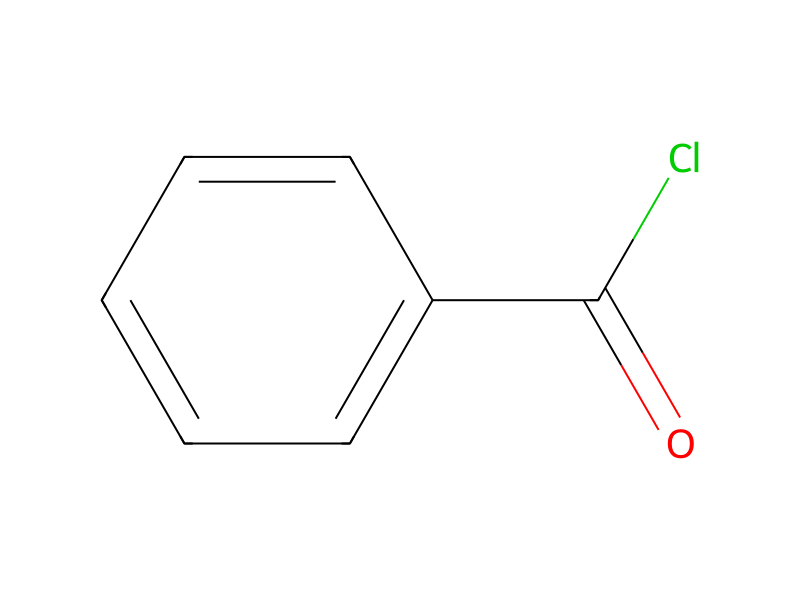
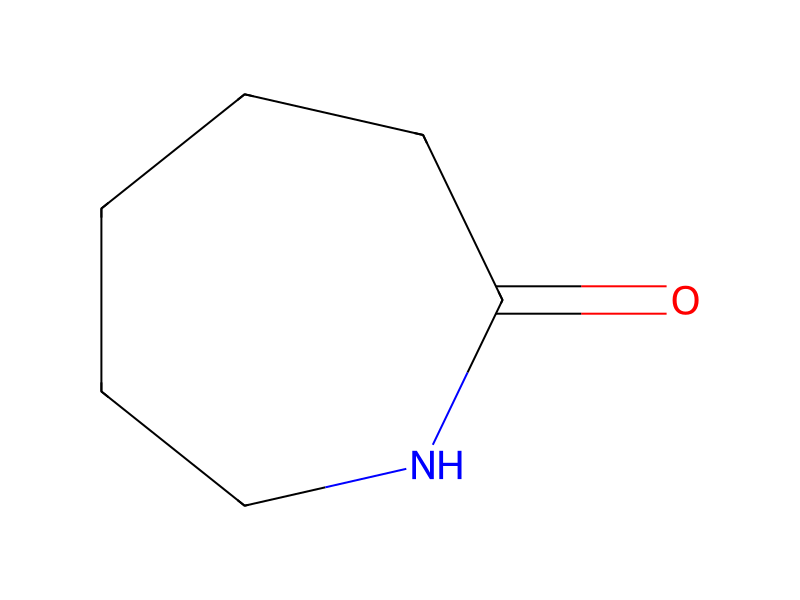
[C:1]1(=[O:8])[NH:7][CH2:6][CH2:5][CH2:4][CH2:3][CH2:2]1.C(N(C(C)C)CC)(C)C.[C:18](Cl)(=[O:25])[C:19]1[CH:24]=[CH:23][CH:22]=[CH:21][CH:20]=1>O>[C:18]([N:7]1[CH2:6][CH2:5][CH2:4][CH2:3][CH2:2][C:1]1=[O:8])(=[O:25])[C:19]1[CH:24]=[CH:23][CH:22]=[CH:21][CH:20]=1Under a stream of nitrogen, 200 g of ε-caprolactam are introduced into a 1 l four-necked flask fitted with stirrer and thermometer and melted. 226 g of N,N-diisopropyl-N-ethylamine (Hunig base) and 250 g of benzoyl chloride are then added dropwise simultaneously over the course of 2 hours, with stirring. The temperature is maintained initially at 90° C.and then increased further to 110° C. When the reaction is complete, the melt, at 80° C., is introduced into 350 ml of water at room temperature and stirred. After one hour, the precipitated benzoylcaprolactam is filtered off and dried. The N-benzoylcaprolactam is obtained in a yield of 95% and a purity of >99% by GC. The Hunig base is worked up as in Example 1. The precipitated N,N-diisopropyl-N-ethylamine (water content: 0.13%) can again be reused without further purification.