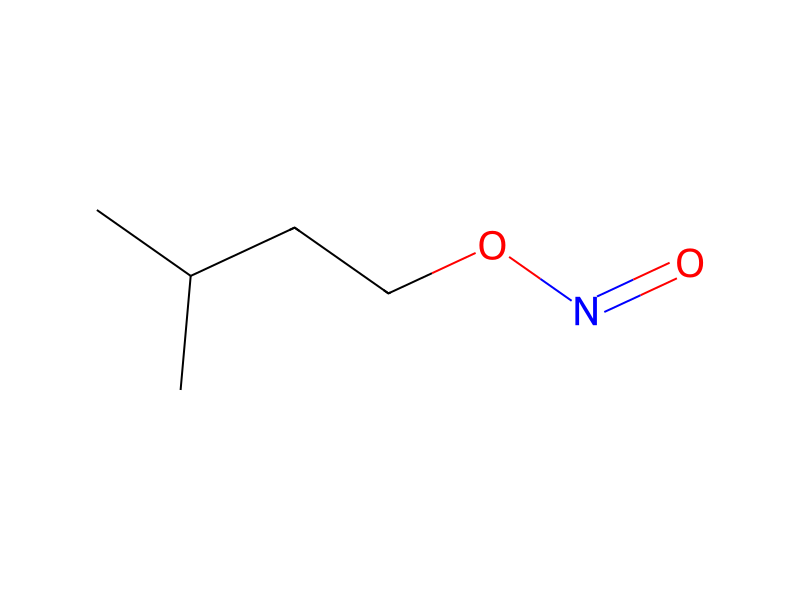
To a heterogeneous mixture of [(2R)-7-amino-8-methyl-2,3-dihydro-1,4-benzodioxin-2-yl]methyl 4-methylbenzenesulfonate hydrochloride (0.93 g, 2.75 mmole) in benzene (10 mL) was added anhydrous potassium acetate (0.50 g, 5.1 mmole) and acetic anhydride (0.80 mL, 8.3 mmole). The temperature was increased to 50° C., and isoamyl nitrite (0.55 mL, 4.1 mmole) was added dropwise. The temperature was further increased and held at 80° C. for a period of 10 hours. When the reaction was complete, the solvent was removed in vacuum and replaced with ethyl acetate in equal volume. The solution was washed with 2N aqueous HCl, saturated aqueous sodium bicarbonate, brine and then dried over magnesium sulfate. After the solution was filtered and concentrated in vacuum, the crude residue was triturated with methylene chloride/methanol (3:1, 6 mL) to obtain the intermediate acetyl indazole as yellow solid (0.87 g, 82%). The acetyl group was hydrolyzed by refluxing in concentrated hydrochloric acid for a period of 12 hours. After cooling to room temperature, the reaction was neutralized with ammonium hydroxide, extracted with methylene chloride and the extract dried over magnesium sulfate, filtered and concentrated in vacuum to yield 0.76 g (99%) of the (R)-enantiomer of the title compound as a yellow solid.