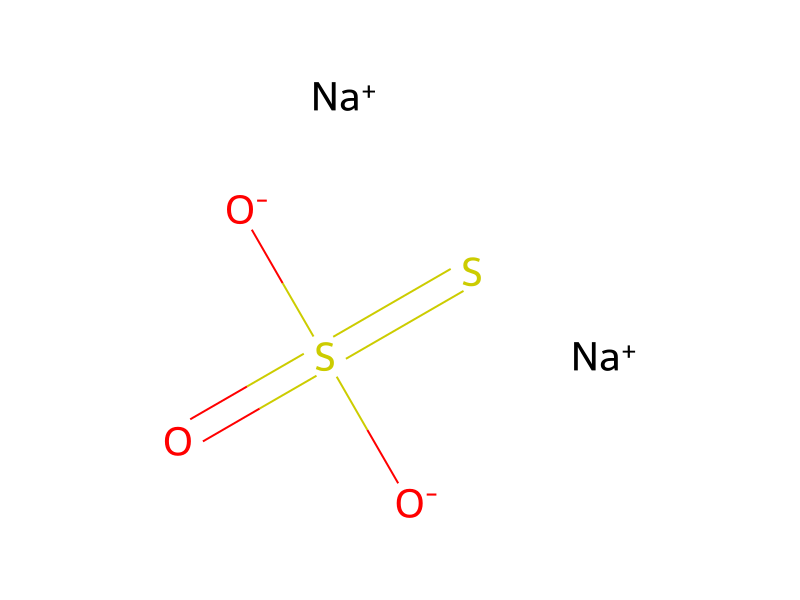
In a mixture of 30 mL of acetonitrile and 20 mL of water was dissolved 1.0 g of 6-fluoro-3-(4-methoxyphenoxy)-2-pyrazinecarbonitrile. After adding 11.2 g of diammonium cerium nitrate, the mixture was heated under reflux for 3 hours. The reaction mixture was returned to room temperature, a mixture consisting of 50 mL of toluene, 50 mL of water and 10 mL of 5% aqueous solution of sodium thiosulfate was added to the reaction mixture, and the aqueous layer was separated. Ethyl acetate (50 mL) was added to the aqueous layer thus obtained, and the organic layer was separated. The organic layer thus obtained was washed with saturated aqueous solution of sodium chloride, treated with active charcoal, and dried on anhydrous magnesium sulfate, and the solvent was removed under reduced pressure. Thus, 6-fluoro-3-oxo-3,4-dihydro-2-pyrazinecarbonitrile was obtained as a yellow-colored solid product.