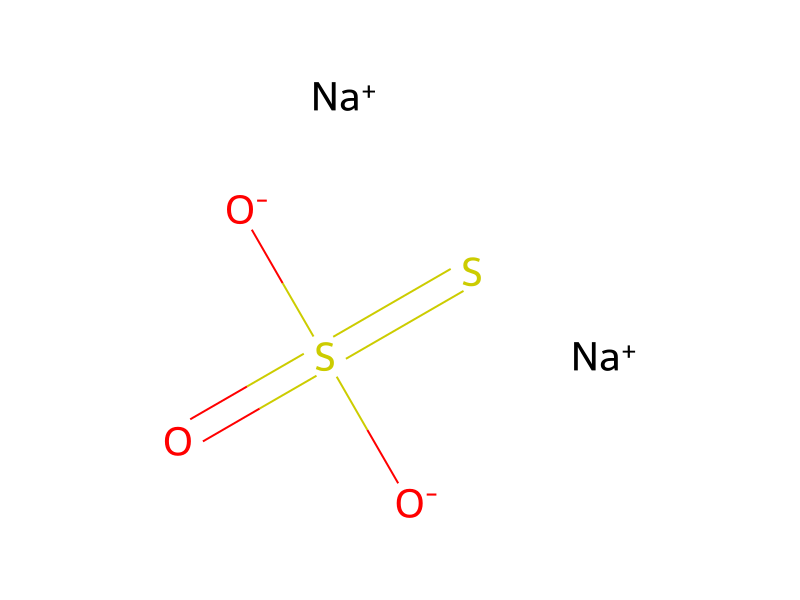
To a solution of methyl 2,2-dimethyl-3,4-dihydro-2H-chromene-8-carboxylate (330 mg, 1.50 mmol) in dichloromethane (3.74 mL) and methanol (3.74 mL) was added concentrated HCl (61.5 μL, 0.75 mmol) at 10° C. NCS (206 mg, 1.54 mmol) as added portion-wise. The solution was stirred for 1 hour at 8-12° C. The solution was then poured into a mixture of water (5.00 mL), saturated aqueous sodium thiosulfate (5.00 mL), 1 N aqueous NaOH (5.00 mL) and dichloromethane (30.0 mL). The mixture was stirred for 15 minutes at room temperature and the two phases were separated. The organic phase was acidified to pH<2 with 1 N aqueous HCl. The mixture was then extracted with dichloromethane (10.0 mL, 2×). The combined organic layers were dried over Na2SO4, filtered and concentrated under vacuum. The crude residue was purified by silica gel chromatography eluting with 0-15% EtOAc/hexanes to give the desired product as a colorless oil.