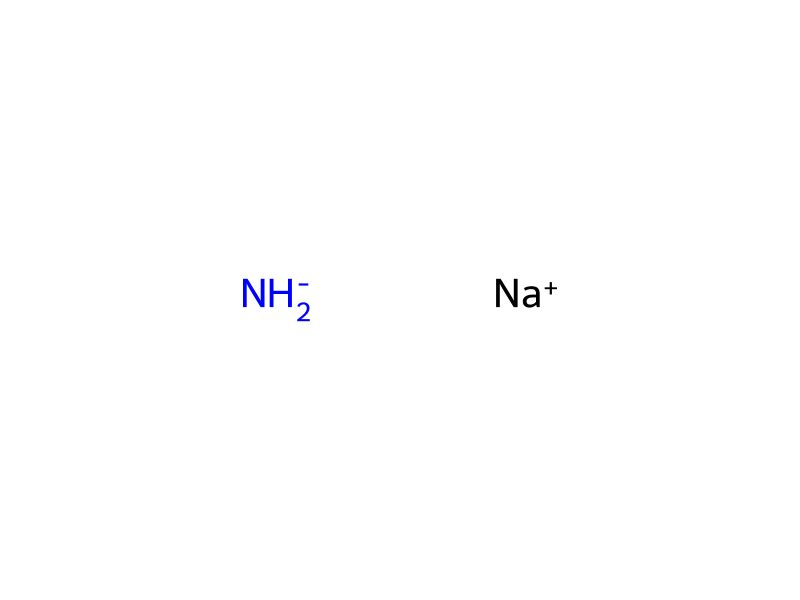
The following procedure is cited in Bull. Soc. Chim. Fr. (37):190 (1925). N-(2-methylphenyl)-4-methylvaleramide (20.5 g), sodium amide (90%) (11.0 g), and tetralin (100 ml) were mixed in a 500 ml round bottom flask equipped with a magnetic stirrer and reflux condenser and heated at reflux for 2 hours. After cooling to room temperature, ethanol (10 ml) was added, followed by H2O (150 ml). The layers were separated, the organic layer was filtered through a pad of anhydrous magnesium sulfate, and the solution was placed in a 200 ml round bottom flask equipped with a 10-inch vacuum jacketed Vigreux column. Tetralin was distilled at 35-45° C./0.5 mm Hg. The residue was transferred to a 50 ml round bottom flask equipped with a 4-inch Vigreux column, and distillation at 118-129° C./0.5 mm Hg provided 2-(3-methyl-n-butyl)-indole 13.1 g (70%) as a slightly yellow solid.