Triethylamine → 1-Methacryloylindoline-2-carboxylic acid ethyl ester
Reaktionsgleichung

[CH2:1]([O:3][C:4]([CH:6]1[CH2:14][C:13]2[C:8](=[CH:9][CH:10]=[CH:11][CH:12]=2)[NH:7]1)=[O:5])[CH3:2].C(N(CC)CC)C.[C:22](Cl)(=[O:26])[C:23]([CH3:25])=[CH2:24]>CCOCC>[CH2:1]([O:3][C:4]([CH:6]1[CH2:14][C:13]2[C:8](=[CH:9][CH:10]=[CH:11][CH:12]=2)[N:7]1[C:22](=[O:26])[C:23]([CH3:25])=[CH2:24])=[O:5])[CH3:2]Komponenten
5
Edukt 3

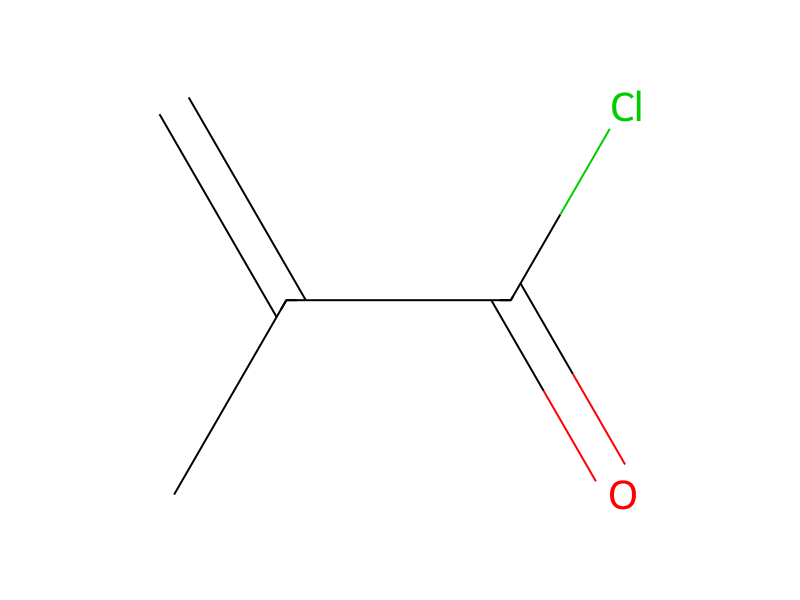

Produkt 1

Reagenzien, Katalysatoren, Lösungsmittel 1

Versuchsvorschrift
To a chilled and stirred mixture of 2,3-dihydroindole-2-carboxylic acid ethyl ester (4.78 g., 25.0 mmole), triethylamine (2.7 g., 26.7 mmole), and anhydrous ether (500 ml) was added dropwise methacryloyl chloride (2.9 g., 27.7 mmole) dissolved in a small amount of ether. After the completion of the addition, the ice bath was removed, and the reaction mixture was stirred for 4 hours. The precipitate which separated was removed by filtration, and the filter residue was washed with ether. The combined filtrate and washing were washed with water (two 700-ml portions), then with saline, and dried over anhydrous magnesium sulfate. Evaporation of the solvent under reduced pressure on a rotary evaporator gave the prouct as an oil. The product was purified by preparative HPLC (Prep LC/System 500, Waters Associates), using a micro porasil column eluted with a mixture of hexane (95%) and ethyl acetate (5%). The crude oil may be used directly in the following reaction