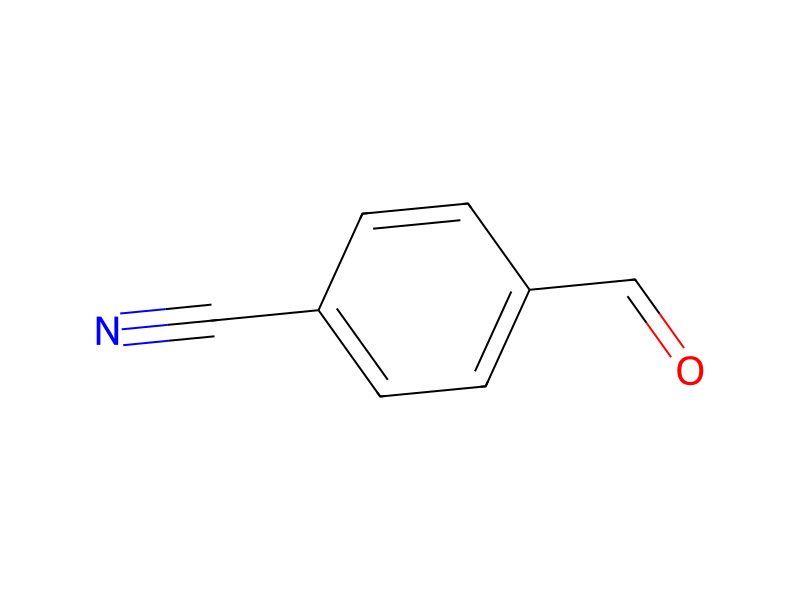
[C:1]1([N:7]2[CH2:12][CH2:11][CH:10]([NH2:13])[CH2:9][CH2:8]2)[CH:6]=[CH:5][CH:4]=[CH:3][CH:2]=1.[C:14]([C:16]1[CH:23]=[CH:22][C:19]([CH:20]=O)=[CH:18][CH:17]=1)#[N:15].C(O)(=O)C.C([BH3-])#N.[Na+]>CO>[C:14]([C:16]1[CH:23]=[CH:22][C:19]([CH2:20][NH:13][CH:10]2[CH2:9][CH2:8][N:7]([C:1]3[CH:6]=[CH:5][CH:4]=[CH:3][CH:2]=3)[CH2:12][CH2:11]2)=[CH:18][CH:17]=1)#[N:15]1-Phenylpiperidin-4-ylamine (0.50 g, 2.84 mmol) (from Example 123) and 4-cyanobenzaldehyde (0.74 g, 5.64 mmol) were dissolved in anhydrous methanol (10 mL) and acetic acid (0.97 mL, 17 mmol) was added. The mixture was stirred for 2 hrs at room temperature, then cooled to 0° C. (ice-water) and sodium cyanoborohydride (0.267 g, 4.25 mmol) was added, then the reaction mixture was stirred at room temperature for 2 hrs. The solvent was evaporated under reduced pressure and the residue was partitioned between sat. NaHCO3 (aq) (50 mL) and dichloromethane (25 mL), and the organic layer was extracted. The aqueous phase was extracted with dichloromethane (2×25 mL). The combined organic extracts were dried over MgSO4, filtered, and concentrated in vacuo. The residue was chromatographed on silica gel, eluting with hexane--30% ethyl acetate to give the product as a white solid.