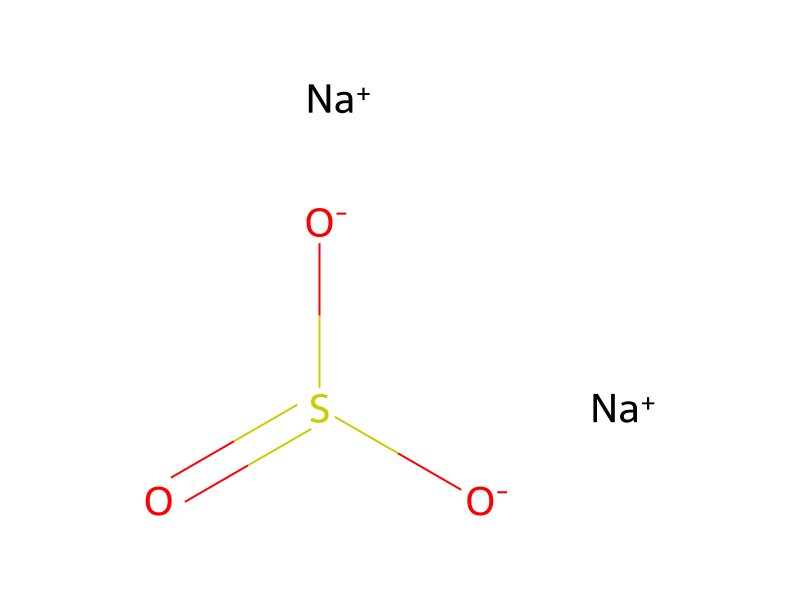
[Br:1]Br.[CH3:3][C:4]1([CH3:16])[CH2:8][C:7]2[CH:9]=[CH:10][CH:11]=[C:12]([C:13]([OH:15])=[O:14])[C:6]=2[O:5]1.S([O-])([O-])=O.[Na+].[Na+]>C(O)(=O)C>[Br:1][C:10]1[CH:11]=[C:12]([C:13]([OH:15])=[O:14])[C:6]2[O:5][C:4]([CH3:16])([CH3:3])[CH2:8][C:7]=2[CH:9]=1Using a dropping funnel, bromine (0.8 mL, 15.6 mmol) in acetic acid (6 mL) was added to a solution of 2,2-dimethyl-2,3-dihydrobenzofuran-7-carboxylic acid (1 g, 5.20 mmol) in acetic acid at 0° C. The reaction was allowed to warm to room temperature and stirred overnight. A 2M solution of sodium sulfite was added until all of the red color disappeared. The volatiles were removed in vacuo and dichloromethane was added and the layers separated. The organic phase was washed with water and brine, dried over sodium sulfate, filtered and concentrated in vacuo to yield 5-bromo-2,2-dimethyl-2,3-dihydrobenzofuran-7-carboxylic acid (667).