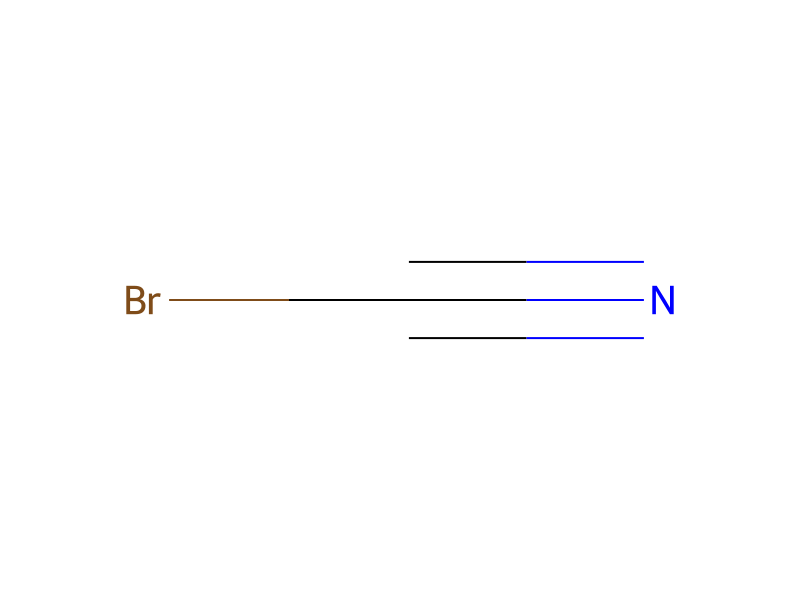
Cl.[CH2:2]([C:9]1[CH:14]=[C:13]([CH3:15])[N:12]=[C:11]([NH:16][CH:17]2[CH2:22][CH2:21][NH:20][CH2:19][CH2:18]2)[N:10]=1)[C:3]1[CH:8]=[CH:7][CH:6]=[CH:5][CH:4]=1.C(=O)([O-])O.[Na+].[C:28](Br)#[N:29]>C(Cl)Cl.O>[CH2:2]([C:9]1[CH:14]=[C:13]([CH3:15])[N:12]=[C:11]([NH:16][CH:17]2[CH2:22][CH2:21][N:20]([C:28]#[N:29])[CH2:19][CH2:18]2)[N:10]=1)[C:3]1[CH:4]=[CH:5][CH:6]=[CH:7][CH:8]=1To a solution of (4-benzyl-6-methyl-pyrimidin-2-yl)-piperidin-4-yl-amine hydrochloride (255 mg, 0.8 mmol) in CH2Cl2 (1.5 mL) was added at 0° C. a suspension of sodium hydrogencarbonate (202 mg, 2.49 mmol) in water (0.5 mL) and then within 1 minute a solution of bromocyan (106 mg, 0.97 mmol) in CH2Cl2 (1 mL). The reaction was stirred at 0° C. for 45 minutes and then at room temperature over night. The reaction was diluted with CH2Cl2, washed with saturated aqueous NaHCO3 solution and with saturated aqueous NaCl solution, dried over sodium sulfate, filtered and the solvent was evaporated under reduced pressure. The residue was purified by column chromatography using a gradient from CH2Cl2 to CH2Cl2/MeOH 19:1 (v/v) as eluent. The title compound was obtained as a colorless oil (135 mg, 55%).