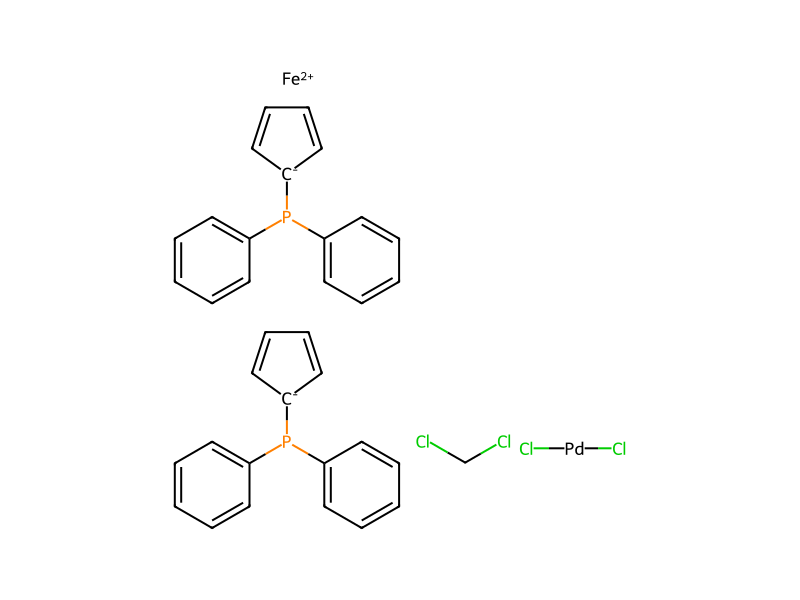
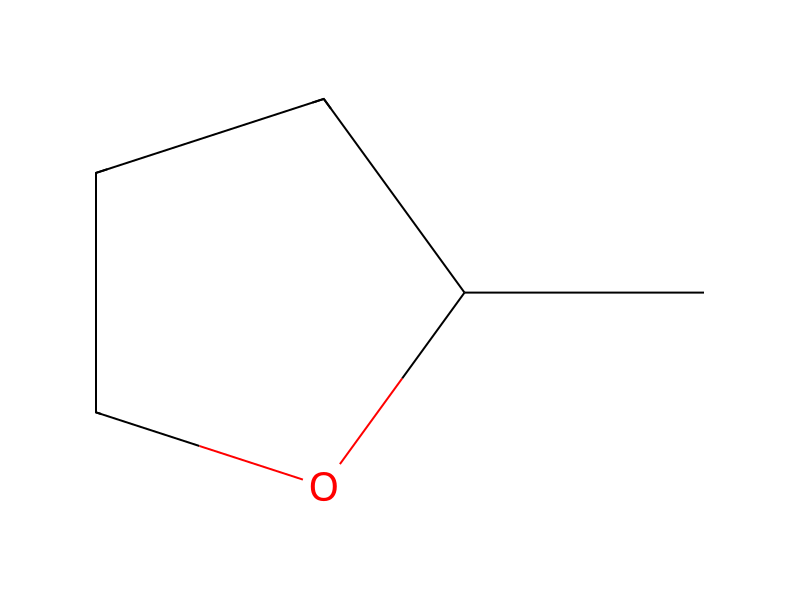
A vial charged with a solution of (S)-3-bromo-7-iodo-2′,6′-dihydrospiro[chromeno[2,3-b]pyridine-5,3′-[1,4]oxazin]-5′-amine (0.880 g, 1.864 mmol), 2-fluoropyridin-3-ylboronic acid (0.276 g, 1.957 mmol), PdCl2(dppf)-CH2Cl2-adduct (0.038 g, 0.047 mmol), and potassium carbonate (1.031 g, 7.46 mmol). Dioxane (10 mL) and water (5 mL) were added, and the vial was flushed with argon and heated to 100° C. for 90 minutes. Pd2(dba)3 (0.171 g, 0.186 mmol), di-tert-butyl(2′,4′,6′-triisopropyl-3,4,5,6-tetramethylbiphenyl-2-yl)phosphine (0.224 g, 0.466 mmol), and potassium hydroxide (1.046 g, 18.64 mmol) were added to the reaction mixture. The vial was sealed and heated to 120° C. for an additional 3 hours. The reaction mixture was then neutralized to pH 7 with 1N HCl, and was diluted with 2-MeTHF. The organics were dried over MgSO4 and concentrated. Purification of the crude residue by column chromatography [0-100% (90:10:1 DCM/MeOH/NH4OH)/DCM] gave (S)-5′-amino-7-(2-fluoropyridin-3-yl)-2′,6′-dihydrospiro[chromeno[2,3-b]pyridine-5,3′-[1,4]oxazin]-3-ol (0.133 g, 0.352 mmol).