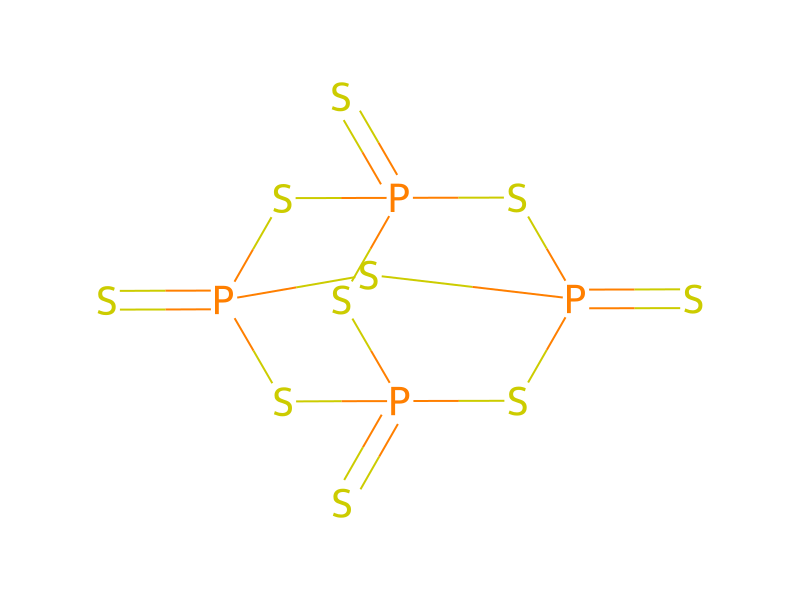
185 g of 2-methyl-4-acetamino-anisole (prepared by procedures described by M. Heidelberg and W. A. Jacobs in J.A.C.S. 41 (1919) p. 1453), 100 ml of pyridine and 250 ml of anhydrous dioxane were poured into a 1 l. multi-neck flask mounted on an oil bath whose temperature was 100° C. After complete dissolution, 130 g of P2S5 were added thereto in small portions under stirring; after the addition, the solution thus obtained was stirred for another 45 minutes by maintaining the conditions of the reaction temperature. The reaction mixture was poured into a 5 l. of a very cold water solution of 45 g of NaOH; animal charcoal was added thereto and the whole stirred for 1 hour. After filtration, the solution was poured into a Keller flask, provided with a stirrer and externally cooled, cautiously acidified with concentrated HCl to pH=4-5, keeping the temperature lower than +5° C. After approximately 1 hour of stirring, the product, thus separated, was filtered with a Buchner and washed with water. The raw product was crystallized many times from ligroin in the presence of animal charcoal to reach a melting point of 88.5°-89° C.