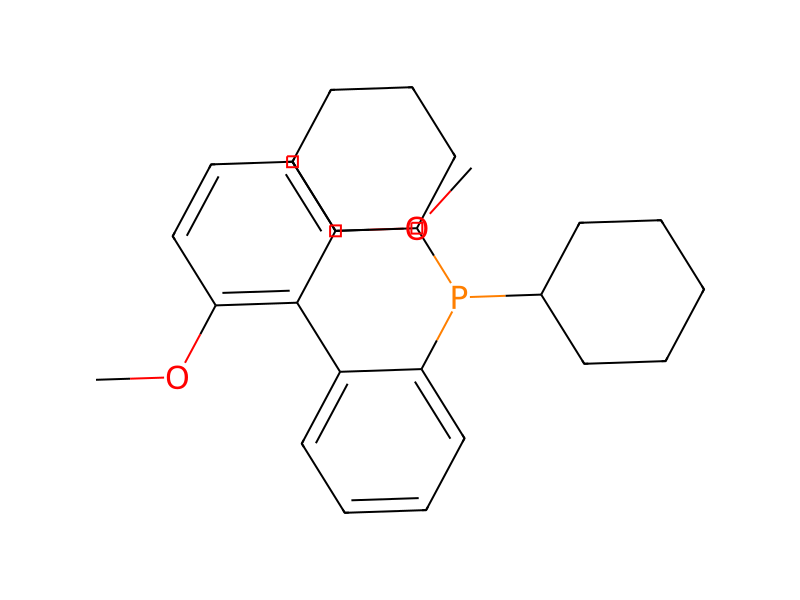
CC1(C)C(C)(C)OB([C:9]2[CH:14]=[CH:13][C:12]([CH2:15][C:16]([OH:18])=[O:17])=[CH:11][CH:10]=2)O1.Br[C:21]1[CH:22]=[N:23][N:24]2[C:29]=1[CH:28]=[CH:27][CH:26]=[N:25]2.C(=O)([O-])[O-].[K+].[K+]>CC#N.O.C([O-])(=O)C.[Pd+2].C([O-])(=O)C.COC1C=CC=C(OC)C=1C1C=CC=CC=1P(C1CCCCC1)C1CCCCC1>[N:23]1[N:24]2[N:25]=[CH:26][CH:27]=[CH:28][C:29]2=[C:21]([C:9]2[CH:10]=[CH:11][C:12]([CH2:15][C:16]([OH:18])=[O:17])=[CH:13][CH:14]=2)[CH:22]=1To a solution of 1.00 g (3.82 mmol) [4-(4,4,5,5-tetramethyl-1,3,2-dioxaborolan-2-yl)phenyl]acetic acid in 5.70 ml CH3CN and 3.80 ml water was added 0.76 g (3.82 mmol) 3-bromopyrazolo[1,5-b]pyridazine, 8.57 mg (0.038 mmol) palladium acetate, 1.21 g (8.77 mmol) potassium carbonate, and 0.031 g (0.076 mmol) SPhos. The resulting suspension was degassed for 5 minutes. After 30 min in the microwave at 150° C., the reaction mixture was cooled, acidified with 1N HCl, extracted with ethyl acetate, and washed with brine. The organic layer was dried over Na2SO4, filtered and concentrated in vacuo. Purification by flash chromatography (silica gel, linear gradient 50-100% EtOAc in hexanes) afforded 0.69 g (72%) (4-pyrazolo[1,5-b]pyridazin-3-ylphenyl)acetic acid. 1H NMR (CD3OD, 400 MHz) 8.40 (dd, J=1.83, 15.75 Hz, 1H); 8.40 (m, 1H); 8.28 (s, 1H); 7.62 (d, J=8.05 Hz, 2H); 7.41 (d, J=7.97 Hz, 2H); 7.22 (dd, J=4.4, 9.1 Hz, 1H); 3.66 (s, 2H). ES-MS M+1=254.1.