StartseiteMCPWorkbenchSkills
StartseiteWorkbenchBenachrichtigungenMein Bereich
llms.txt · MCP-AnleitungDatenschutz · Nutzungsbedingungen · Supportv1.8.3
  1. Startseite
  2. /Reaktion

Isopropanol → 3-Amino-8-chloro-5-methylthio[1,2,4]triazolo[4,3-c]pyrimidine hydrobromide

HRID 479289
Drucken

Reaktionsgleichung

Reaktionsgleichung von HRID 479289
[N:1]#[C:2][Br:3].[Cl:4][C:5]1[C:6]([NH:13][NH2:14])=[N:7][C:8]([S:11][CH3:12])=[N:9][CH:10]=1.C(O)(C)C>ClCCl.C(OCC)C>[BrH:3].[NH2:1][C:2]1[N:7]2[C:8]([S:11][CH3:12])=[N:9][CH:10]=[C:5]([Cl:4])[C:6]2=[N:13][N:14]=1
KomponentenVersuchsvorschriftAufarbeitungQuellen und NachweiseNotizen zur Reaktion

Komponenten

6

Edukt 3

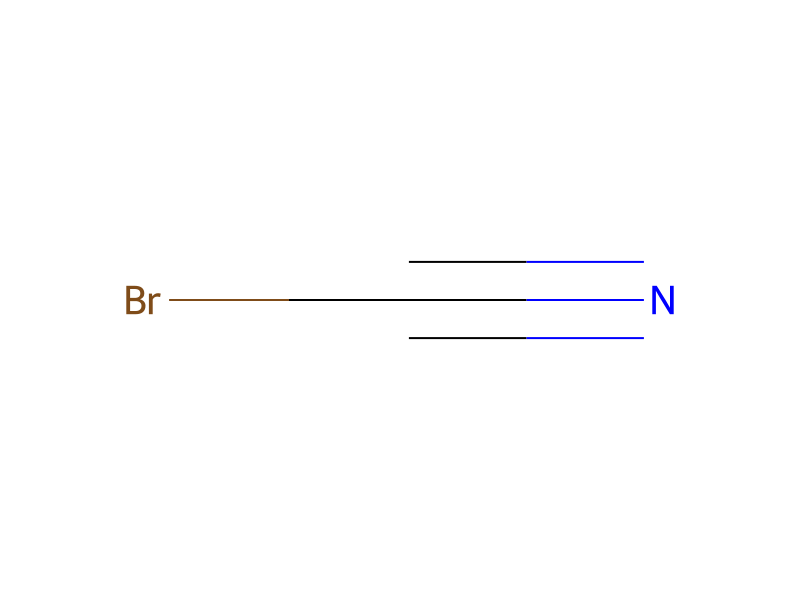
HCID 3776IsopropanolHCID 10476Cyanogen BromideHCID 15003625HCID 15003625, Verbindung

Produkt 1

HCID 187699683-Amino-8-chloro-5-methylthio[1,2,4]triazolo[4,3-c]pyrimidine hydrobromide

Reagenzien, Katalysatoren, Lösungsmittel 2

HCID 3283Diethyl EtherLösungsmittel
HCID 6344
Dichloromethane
Lösungsmittel

Versuchsvorschrift

A solution of 40 mL (120 mmol) of 3 molar cyanogen bromide in dichloromethane was combined with 19.0 g (100 mmol) of 5-chloro-4-hydrazino-2-methylthiopyrimidine and 200 mL of dry isopropyl alcohol at ambient temperature with stirring. The resulting mixture was stirred for 18 hours and then diluted with 500 mL of diethyl ether. The solids that formed were recovered by filtration and dried to obtain the theoretical amount of the title compound as a yellow solid melting above 250° C. 1H NMR (DMSO-d6): δ 7.80 (s, 1H); 2.67(s, 3H); 13C: δ 150.96, 147.90, 143.10, 138.38, 113.16, 14.22. Anal. Calc'd for C6H7N5BrClS: C, 24.3; H, 2.38; N, 23.6; S, 10.8. Found: C, 26.1; H, 2.69; N, 24.0; S, 12.2.

Aufarbeitung

  1. stirringThe resulting mixture was stirred for 18 hours
  2. customThe solids that formed
  3. filtrationwere recovered by filtration
  4. customdried

Quellen und Nachweise

ORD-Eintrag
ord-7e13832900c74367aeb1b51807992b44
Quelldatensatz
uspto-grants-2003_11
DOI
10.6084/m9.figshare.5104873.v1
Patentnummer
US06645918B1

Notizen zur Reaktion

Auf dieser SeiteKomponentenVersuchsvorschriftAufarbeitungQuellen und NachweiseNotizen zur Reaktion