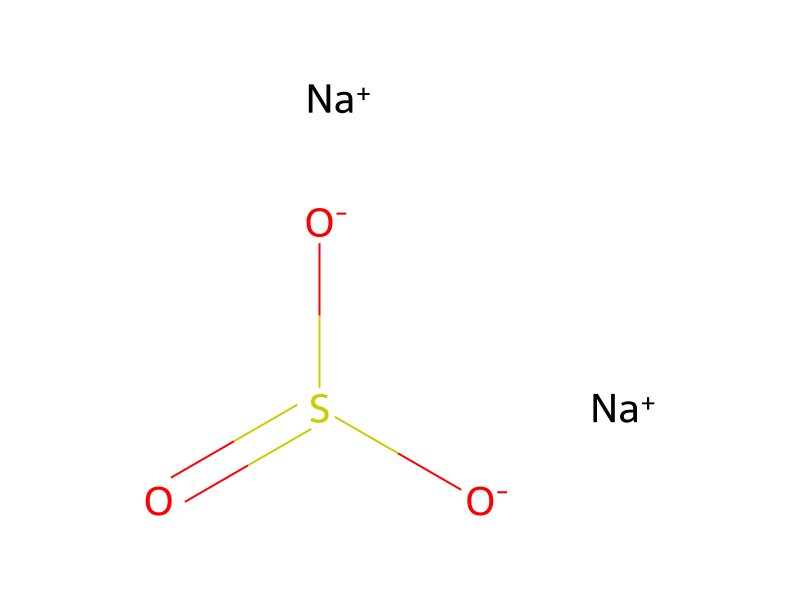
(−)-α-pinene (136.2 g, 1 mole) was oxidised by bubbling in O2 in the presence of cobalt stearate (0.5 g), which is added portionwise, maintaining the temperature at approximately 5-55° C., for at least 50-60 hours. When the reaction was complete, the peroxide index was approximately 27-29%. After cooling to room temperature, the excess of peroxides was decomposed by adding to the reaction mixture an equal quantity of a hot aqueous solution (˜50° C.) of 5% ferrous sulphate and 1% sulphuric acid; the peroxide index was approximately 0 within approximately 2 hours. The organic phase was then separated and washed 2-3 times with water until a pH of 5-6 is obtained. The non-reacted (−)-α-pinene was removed by column distillation at a temperature of approximately 100° C. and at a pressure of 20-25 mmHg (2.6×10⁻²−3.3×10⁻² bar). The distillation residue was constituted by a mixture of terpenes which was characterized by oxygenated functions (alcohol, ketone and aldehyde functions). A Bertagnini reaction was then carried out by adding to the reaction mixture a solution containing sodium sulphite (120 g, 0.954 mole), while maintaining the temperature at 55-60° C. Because the pH of the mixture gradually moved to basic values, a 50% acetic acid solution was added until the pH is neutral. When the pH remained stable at ˜7, the reaction, might be regarded as complete. The organic phase (containing the alcohols PINOCARVEOL, MIRTENOL, VERBENOL) was separated and the aqueous phase was counter-extracted 2-3 times with hexane. The aqueous solution was alkalinised to pH ˜14 and then extracted with hexane, thus obtaining the fraction containing carbonyl products (MIRTENAL AND VERBENONE). The hexane extract, washed 2-3 times with water, was concentrated to obtain a high-boiling oily residue constituted to the extent of more than 80% by VERBENONE. The residue was dissolved with methanol; the methanol solution was cooled to −5 to −1° C. and, while maintaining this temperature, sodium borohydride was added until the MIRTENAL was undetectable (monitoring by TLC). The reduction was then stopped by the addition of a small amount of acetic acid, until the solution was neutral. The methanol solution was concentrated to ⅔ the volume, then diluted with water and extracted with hexane. The hexane solution was evaporated under vacuum and the residue is distilled at 80° C./1.5 mm Hg (1.9×10⁻³ bar) to give VRBENONE (25 g, yield 16.6%) with [α]D2b=−217° (c=10 in ethanol).