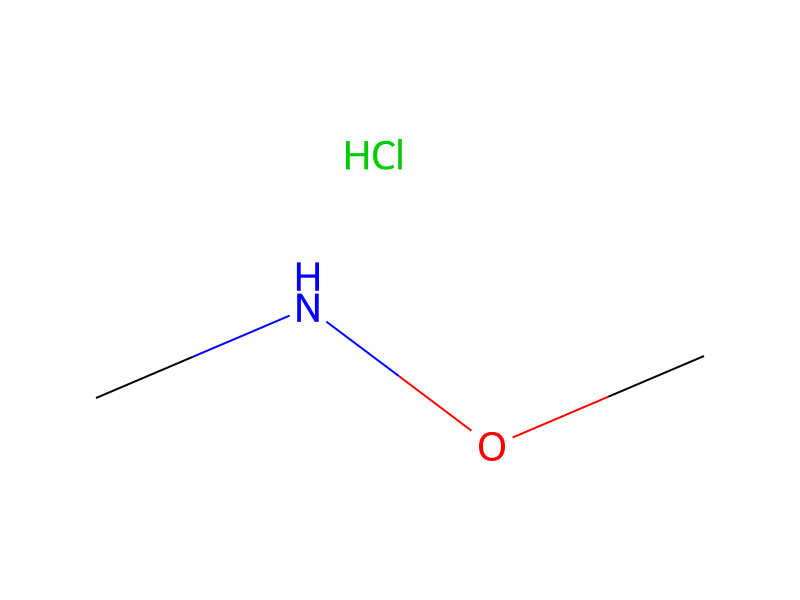
Oxalyl chloride (38.1 mL, 450 mmol) was slowly added to a mixture of 4-bromo-3-fluorobenzoic acid (49.3 g, 225 mmol) in dichloromethane (300 mL). Subsequently, N,N′-dimethylformamide (1.0 mL) was added and the reaction mixture was stirred at ambient temperature for 2 h. The reaction mixture was concentrated under reduced pressure and co-evaporated with toluene 3 times. The residue was then dissolved in dichloromethane (100 mL). The solution was added dropwise to a mixture of N,O-dimethylhydroxylamine hydrochloride (30.7 g, 315 mmol) and potassium carbonate (120 g, 900 mmol) in dichloromethane (300 mL) and water (300 mL). The reaction mixture was stirred at ambient temperature for 2 hours. The organic layer was separated. The aqueous layer was extracted with dichloromethane (2×50 mL). The combined organic extracts were washed with brine, dried over magnesium sulfate, filtered and concentrated under reduced pressure to give the product. (58.5 g) LCMS: (M+H)=261.9/263.9.