Diethyl Ether → 6-Phenylhexan-3-one
HRID 50147
Reaktionsgleichung

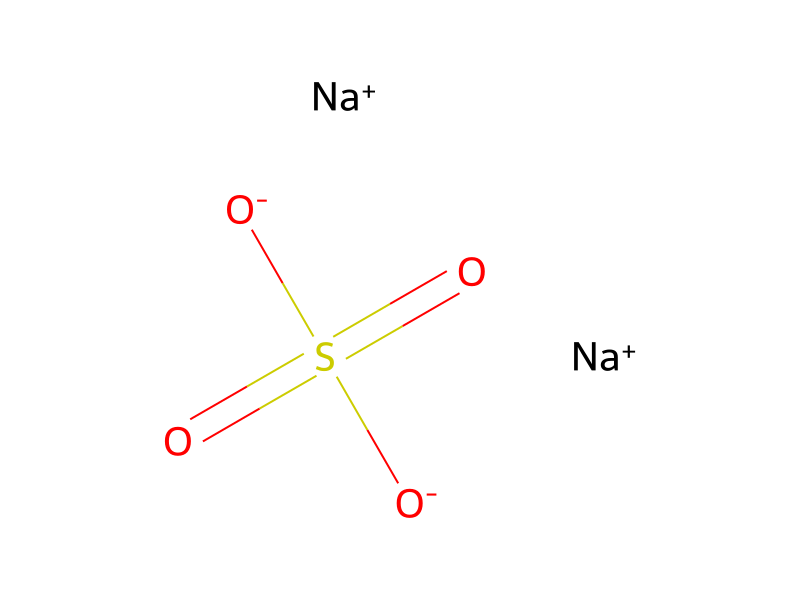
[CH2:1]([Mg]Br)[CH3:2].[O:5]1[CH2:9][CH2:8][CH2:7][CH2:6]1.S([O-])([O-])(=O)=O.[Na+].[Na+].C(O[CH2:20][CH3:21])C>>[C:21]1([CH2:9][CH2:8][CH2:7][C:6](=[O:5])[CH2:1][CH3:2])[CH:20]=[CH:9][CH:8]=[CH:7][CH:6]=1Komponenten
5




Versuchsvorschrift
N-4-bromobenzyl-N-4-phenylbut-1-oyl-4-O-methylhydroxylamine)phenoxymethyl-copoly(styrene-1%-divinylbenzene)-resin (0.15 g, approx. 0.75 mmol/g 0.11 mmol) is suspended in diethyl ether (1 mL) and treated with 1 M solution of ethyl magnesium bromide in tetrahydrofuran (0.34 mL, 0.34 mmol). The reaction mixture is agitated for 18 hours, and then quenched by the addition of 2 M HCl (aq) (approx. pH 3 is obtained). The mixture is agitated for 30 minutes. Sodium sulfate is added and the mixture is filtered through a plug of silica gel, washed thoroughly with dichloromethane and concentrated to give of 6-phenylhexan-3-one. GC MS (EI) Area=97.1%, m/z 176.2 (M)+; MS (EI-LRP) m/z 176 (M)+; NMR (300 MHz, CDCl3) δ 1.02 (t, 3H), 1.9 (m, 2H), 2.4 (m, 4H) 2.6 (m, 2H), 7.2-7.3 (m, 5H).