Diglyme → 2,3,3,3-Tetrafluoro-2-(1,1,2,2-tetrafluoro-2-(fluorosulphonyl)ethoxy)propionyl fluoride
Reaktionsgleichung

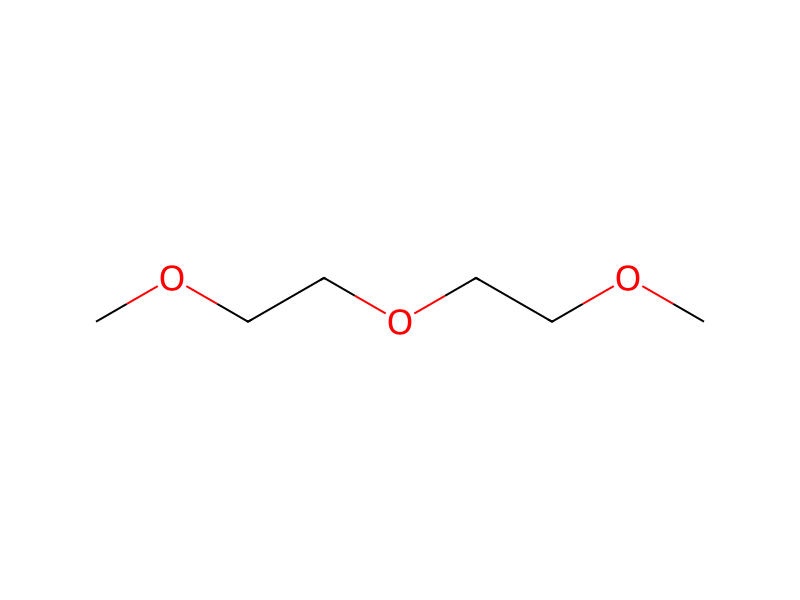
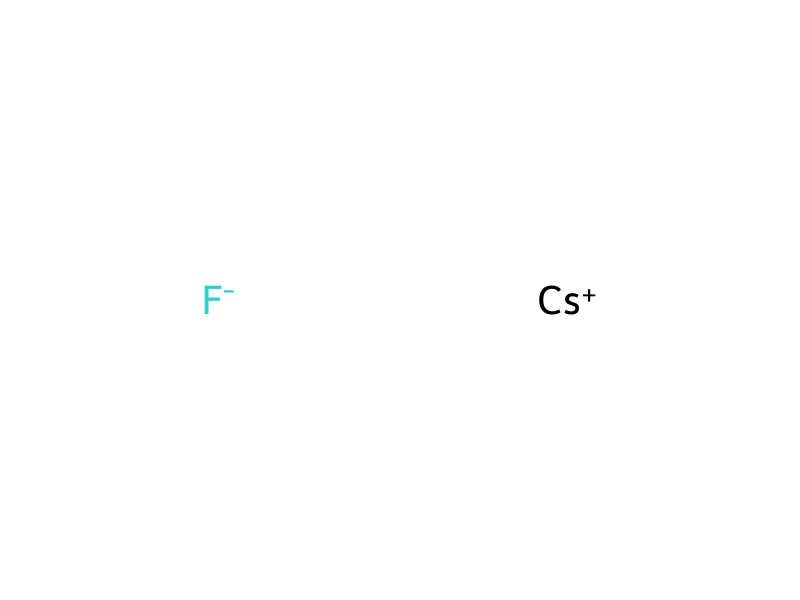
[F:1][S:2]([C:5]([C:8](C(F)=O)([F:10])[F:9])([F:7])[F:6])(=[O:4])=[O:3].[F-].[Cs+].[F:16][C:17]([F:25])([F:24])[C:18]1([F:23])[O:22][C:19]1(F)[F:20].C[O:27]CCOCCOC>>[F:1][S:2]([C:5]([C:8]([O:22][C:18]([C:19]([F:20])=[O:27])([C:17]([F:25])([F:24])[F:16])[F:23])([F:9])[F:10])([F:6])[F:7])(=[O:3])=[O:4]Komponenten
5



Versuchsvorschrift
FSO2CF2CF2COF obtained in Example 1-6, CsF powder and diglyme are charged into an autoclave, and hexafluoropropene oxide is introduced with stirring under cooling with ice. Stirring is continued for 1 hour, and the content in the autoclave is distilled under reduced pressure to obtain FSO2CF2CF2OCF(CF3)COF.
Aufarbeitung
- additionis introduced
- temperatureunder cooling with ice
- stirringStirring
- distillationthe content in the autoclave is distilled under reduced pressure
Quellen und Nachweise
- ORD-Eintrag
- ord-b87c74115baa4ede8a6bfc687ef51adc
- Quelldatensatz
- uspto-grants-2010_08
- Patentnummer
- US07781612B2
Notizen zur Reaktion
Wird geladen…