Reaktionsgleichung
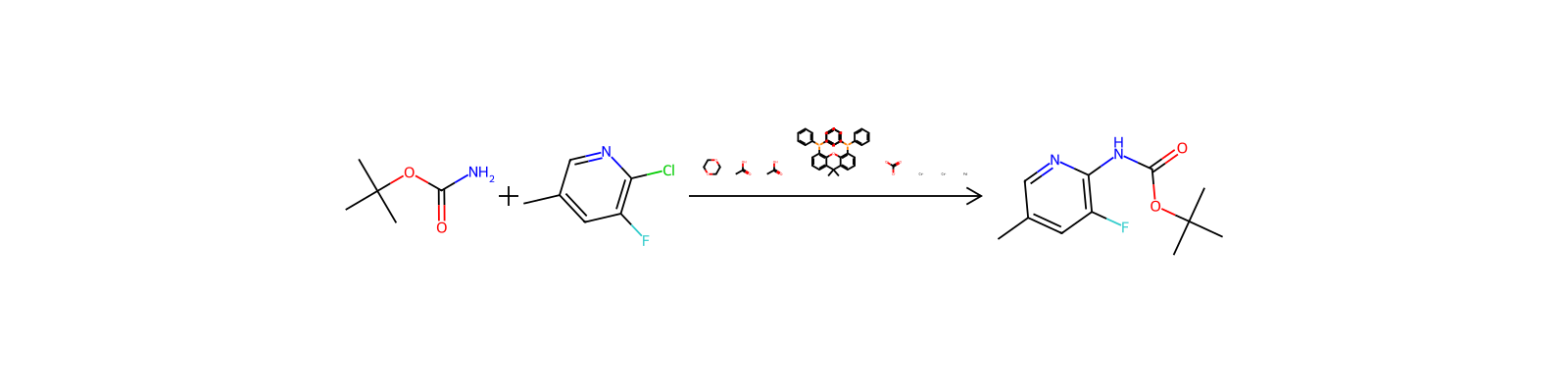
CC(C)(C)OC(N)=O.Cc1cnc(Cl)c(F)c1>C1COCCO1.CC(=O)O.CC(=O)O.CC1(C)c2cccc(P(c3ccccc3)c3ccccc3)c2Oc2c(P(c3ccccc3)c3ccccc3)cccc21.O=C([O-])[O-].[Cs+].[Cs+].[Pd]>Cc1cnc(NC(=O)OC(C)(C)C)c(F)c1Komponenten
7
Edukt 2
Produkt 1
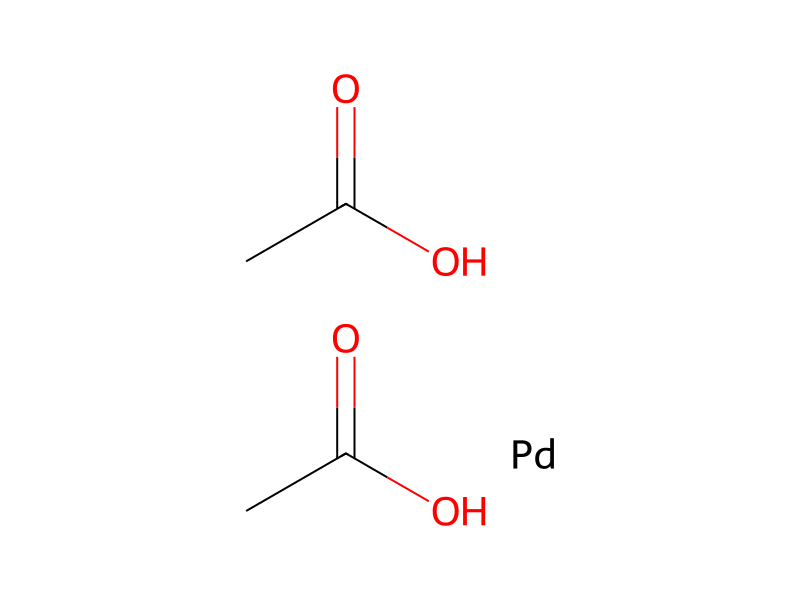
Reagenzien, Katalysatoren, Lösungsmittel 4



Reaktionsbedingungen
- Temperatur
- 100 °C
Versuchsvorschrift
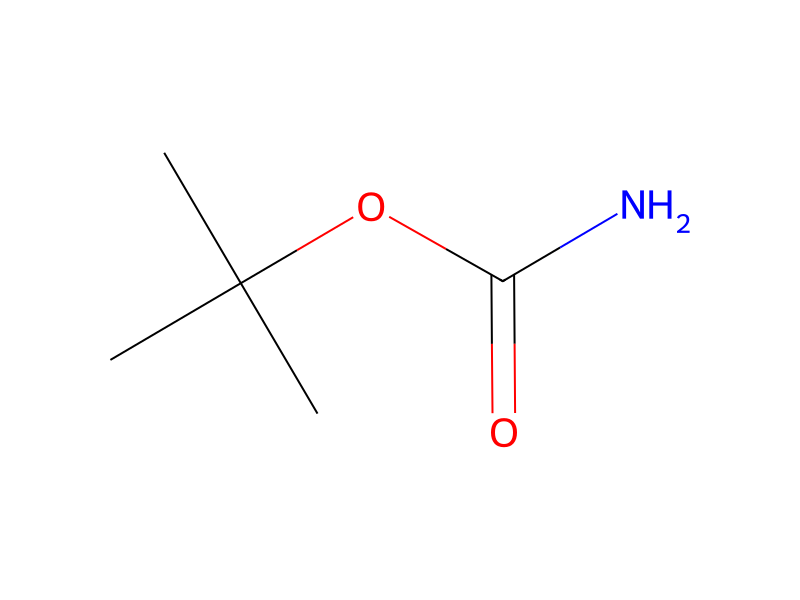
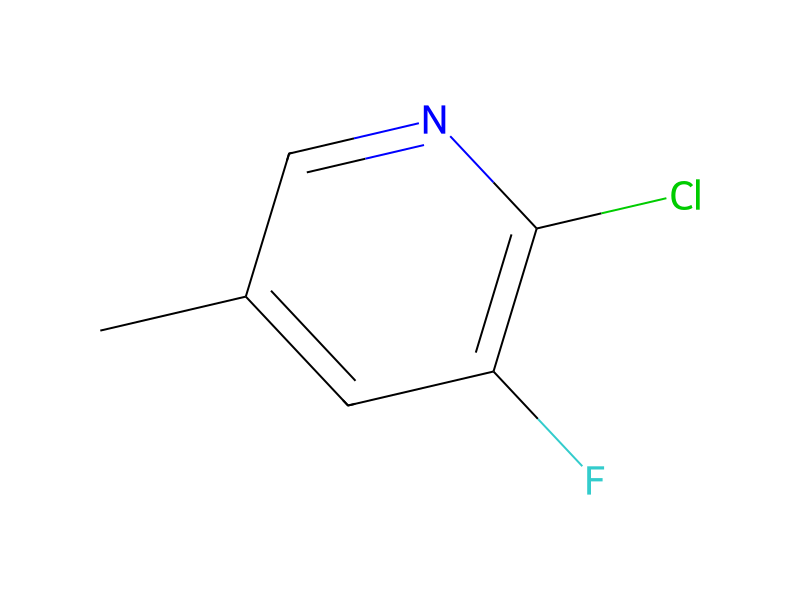
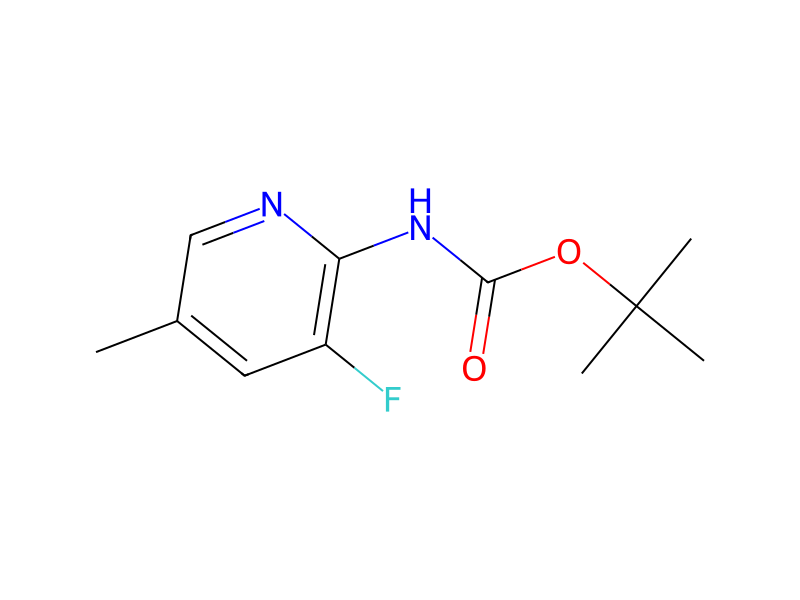
diacetoxypalladium (15.42 mg, 0.07 mmol) and(9,9-dimethyl-9H-xanthene-4,5-diyl)bis(diphenylphosphine) (39.8 mg, 0.07 mmol) were added to a degassed mixture of 2-chloro-3-fluoro-5-methylpyridine (100 mg, 0.69 mmol), tert-butyl carbamate (121 mg, 1.03 mmol) and cesium carbonate (336 mg, 1.03 mmol) in dioxane (10 mL) at 21°C. The resulting mixture was stirred at 100 °C for 16 hours.Filtered through celite and adsorbed onto silica. The crude product was purified by flash silica chromatography, elution gradient 0 to 50% DCM in heptane. Pure fractions were evaporated to dryness to afford sm by HNMR Abandoned. ..
Quellen und Nachweise
- ORD-Eintrag
- ord-e2551fd8964c4f0a80ff232c25d61d8a
- Quelldatensatz
- 750 AstraZeneca ELN dataset
- Originallink
- Quelle ansehen
Verknüpfte Notizen
Wird geladen…