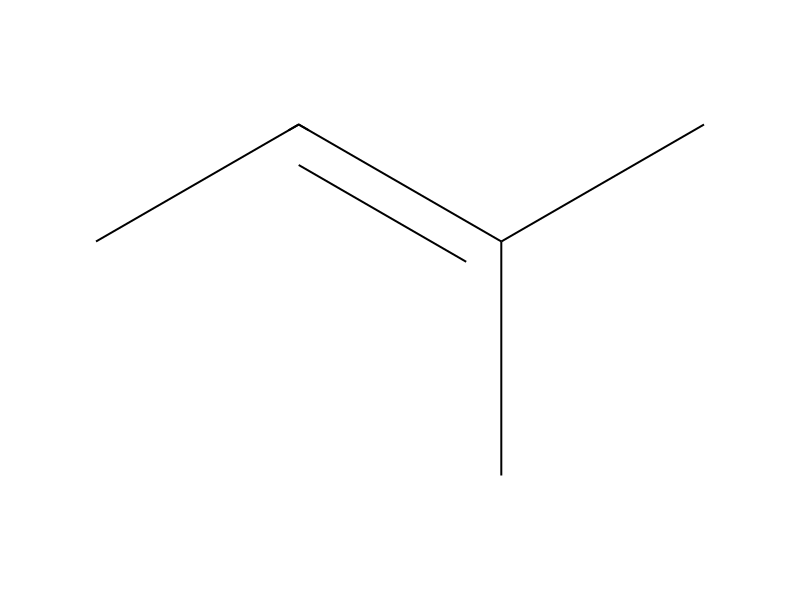
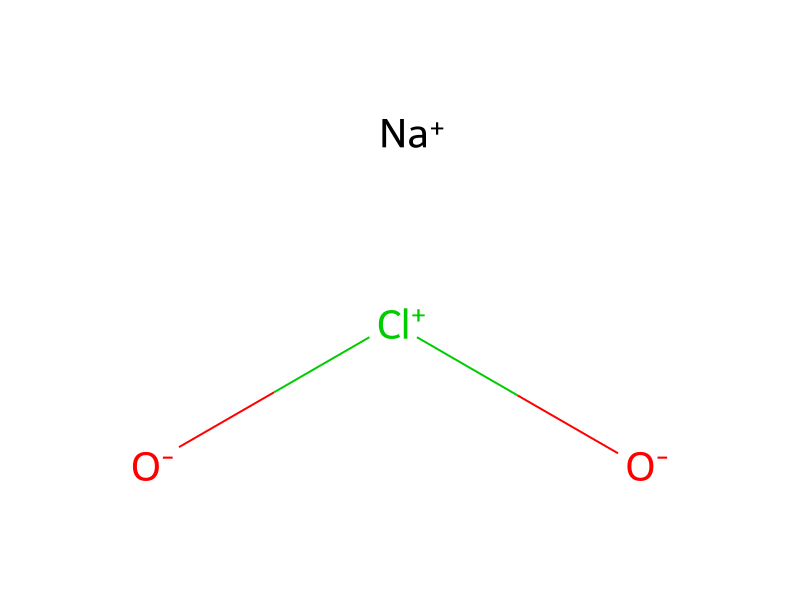
To a suspension of 4-bromo-2-methoxy-6-methyl-benzaldehyde (1.25 g, 5.45 mmol) in tert-butanol (21.7 ml) is added a solution of sodium chlorite (0.98 g, 10.9 mmol) and monosodium phosphate (4.25 g, 27.3 mmol) in water (11 ml). To the solution is added 2-methyl-2-butene (4.63 ml, 43.7 mmol). The resulting homogeneous solution is stirred at RT for 30 min. After completion of the reaction, the solvent is evaporated and the residue is diluted with water and acidified with 1 M hydrochloric acid to pH=1 and extracted with methyl tert-butyl ether (3×40 ml). The combined organic layers are extracted with 1 M sodium hydroxide solution which is further acidified with 6 M hydrochloric acid and extracted with ethyl acetate (3×50 ml). The organic layer is washed with brine (40 ml), dried over sodium sulfate and concentrated to yield 4-bromo-2-methoxy-6-methyl-benzoic acid (1.2 g, 4.89 mmol, 90%).