StartseiteMCPSkillsWorkbenchOpenChem
StartseiteWorkbenchBenachrichtigungenMein Bereich
llms.txt · skill.md · MCP-AnleitungDatenschutz · Nutzungsbedingungen · Supportv1.8.5
  1. Startseite
  2. /Reaktion

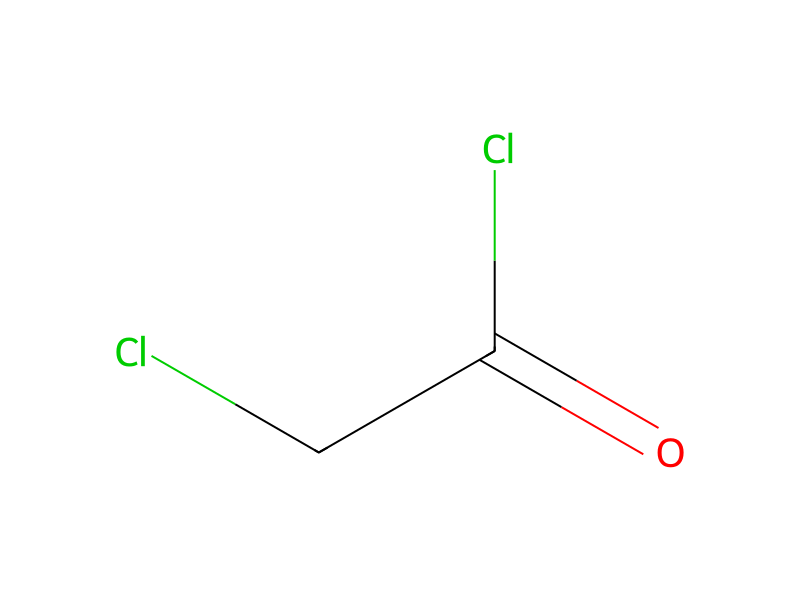
Chloroacetyl chloride → 4-Benzyl-5-phenyl-[1,4]oxazepan-3-one

HRID 515447
Drucken

Reaktionsgleichung

[CH2:1]([O:3][C:4](=O)[CH2:5][C:6](=O)[C:7]1[CH:12]=[CH:11][CH:10]=[CH:9][CH:8]=1)[CH3:2].[CH2:15]([NH2:22])[C:16]1[CH:21]=[CH:20][CH:19]=[CH:18][CH:17]=1.O.C1(C)C=CC(S(O)(=O)=[O:31])=CC=1.[H-].[Al+3].[Li+].[H-].[H-].[H-].S([O-])([O-])(=O)=O.[Na+].[Na+].C(N(CC)CC)C.ClCC(Cl)=O.[OH-].[K+]>C1(C)C=CC=CC=1.O>[CH2:15]([N:22]1[CH:6]([C:7]2[CH:12]=[CH:11][CH:10]=[CH:9][CH:8]=2)[CH2:5][CH2:4][O:3][CH2:1][C:2]1=[O:31])[C:16]1[CH:21]=[CH:20][CH:19]=[CH:18][CH:17]=1
KomponentenVersuchsvorschriftAufarbeitungQuellen und NachweiseNotizen zur Reaktion

Komponenten

11

Edukt 8

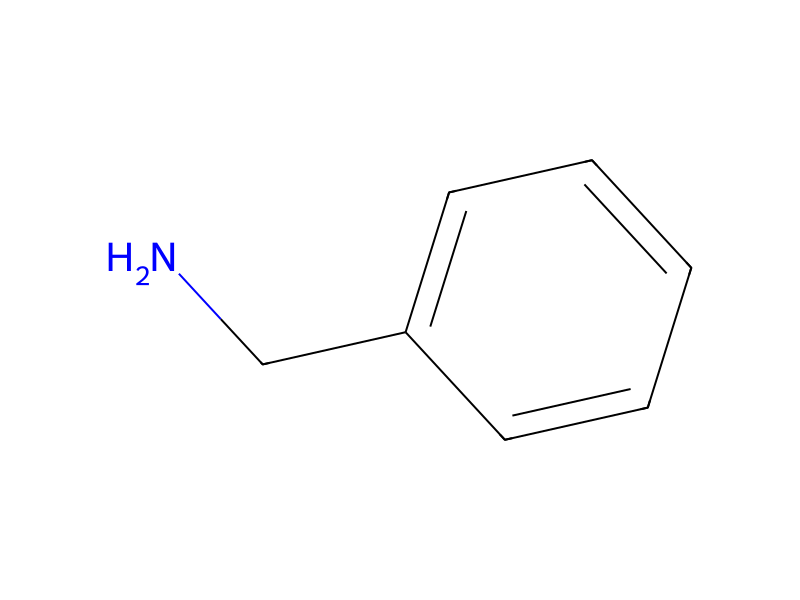
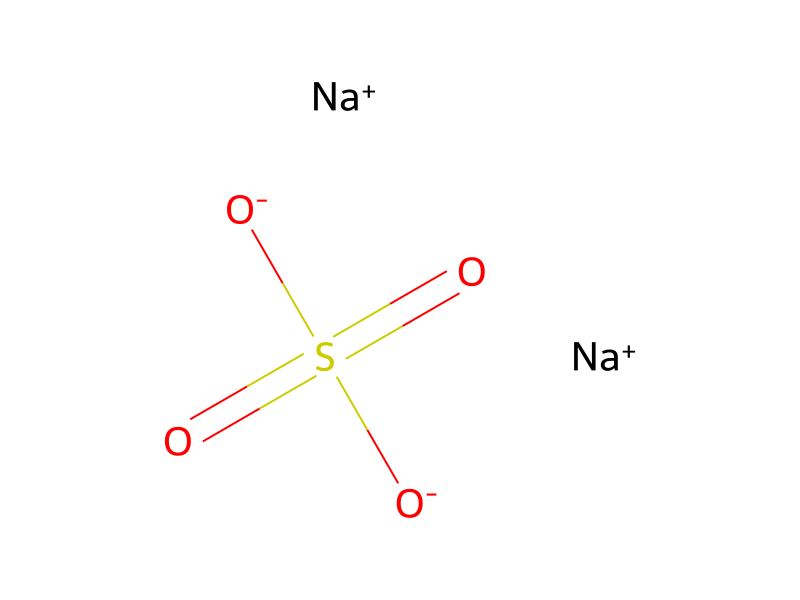
HCID 6577Chloroacetyl chlorideHCID 7170Ethyl benzoylacetateHCID 7504BenzylamineHCID 8471TriethylamineHCID 14797Potassium HydroxideHCID 24436Sodium SulfateHCID 521998p-Toluenesulfonic acid monohydrate
HCID 21226445Aluminium lithium hydride

Produkt 1

HCID 672829204-Benzyl-5-phenyl-[1,4]oxazepan-3-oneAusbeute 103,8 %

Reagenzien, Katalysatoren, Lösungsmittel 2

HCID 962WaterLösungsmittel2×HCID 1140TolueneLösungsmittel

Versuchsvorschrift

The mixture of 3-oxo-3-phenyl-propionic acid ethyl ester (5.0 g, 26 mmol), benzylamine (2.9 mL, 26 mmol) and p-toluenesulfonic acid monohydrate (0.50 g, 2.6 mmol) in toluene (100 mL) was refluxed for 3 hours and concentrated. The residual materials were dissolved in cyclopentylmethylether (150 ml) and lithium aluminum hydride (3.0 g, 78 mmol) was added portionwise at 0° C. under nitrogen atmosphere. After stirring for 3 hours, small amount of sodium sulfate saturated aqueous solution was added dropwise and stirred for one hour. The resulting mixture was filtrated to remove solid materials and concentrated. Then the resulting residue was dissolved in dichloromethane (30 mL) To the mixture was added triethylamine (1.4 mL, 10 mmol) and chloroacetylchloride (0.56 g, 7.0 mmol) at 0° C. and the resulting mixture was stirred for one hour. The reaction mixture was poured into water and extracted with chloroform. The organic extracts were dried over sodium sulfate and concentrated. The residual material was dissolved in 2-propanol (30 mL) and potassium hydroxide (1.3 g, 20 mmol) was added at room temperature. After stirring for 18 hours, the reaction mixture was diluted with water and extracted with ethyl acetate. The organic phase was dried over anhydrous sodium sulfate and concentrated. The residual material was purified by flash column chromatography on silica gel (hexane/ethyl acetate=100/0 to 1/1 as an eluant) to afford 4-benzyl-5-phenyl-[1,4]oxazepan-3-one (0.77 g, 2.7 mmol, 10% from ethylbenzoyl acetate) as yellow oil.

Aufarbeitung

  1. temperaturewas refluxed for 3 hours
  2. concentrationconcentrated
  3. dissolutionThe residual materials were dissolved in cyclopentylmethylether (150 ml)
  4. stirringstirred for one hour
  5. filtrationThe resulting mixture was filtrated
  6. customto remove solid materials
  7. concentrationconcentrated
  8. dissolutionThen the resulting residue was dissolved in dichloromethane (30 mL) To the mixture
  9. stirringthe resulting mixture was stirred for one hour
  10. extractionextracted with chloroform
  11. dry with materialThe organic extracts were dried over sodium sulfate
  12. concentrationconcentrated
  13. dissolutionThe residual material was dissolved in 2-propanol (30 mL)
  14. stirringAfter stirring for 18 hours
  15. extractionextracted with ethyl acetate
  16. dry with materialThe organic phase was dried over anhydrous sodium sulfate
  17. concentrationconcentrated
  18. customThe residual material was purified by flash column chromatography on silica gel (hexane/ethyl acetate=100/0 to 1/1 as an eluant)

Quellen und Nachweise

ORD-Eintrag
ord-9c78bcd5bb1847689e85d4596583084d
Quelldatensatz
uspto-grants-2015_08
DOI
10.6084/m9.figshare.5104873.v1
Patentnummer
US09108957B2

Notizen zur Reaktion

Auf dieser SeiteKomponentenVersuchsvorschriftAufarbeitungQuellen und NachweiseNotizen zur Reaktion