StartseiteMCPWorkbenchSkills
StartseiteWorkbenchBenachrichtigungenMein Bereich
llms.txt · MCP-AnleitungDatenschutz · Nutzungsbedingungen · Supportv1.8.0
  1. Startseite
  2. /Reaktion

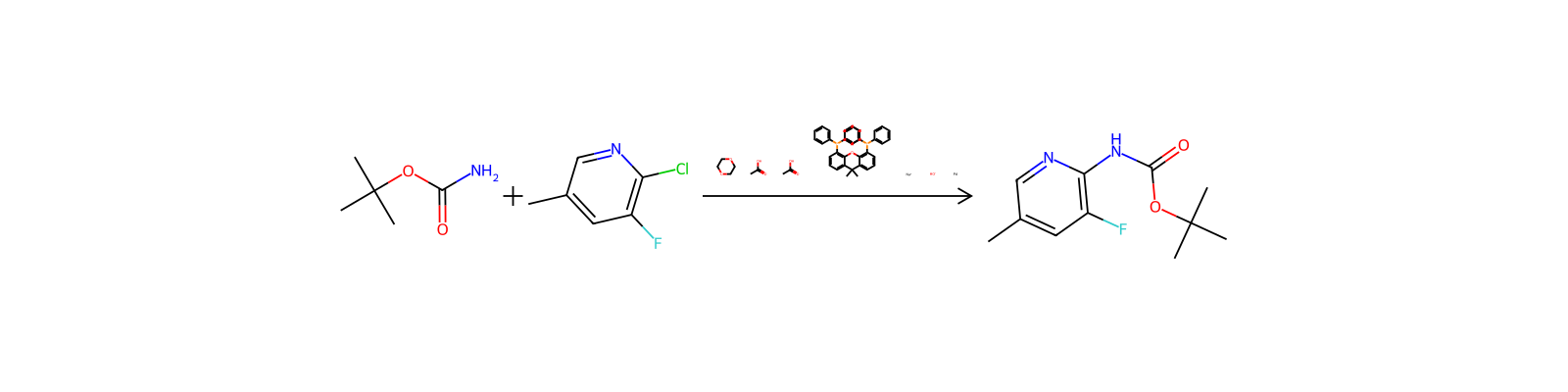
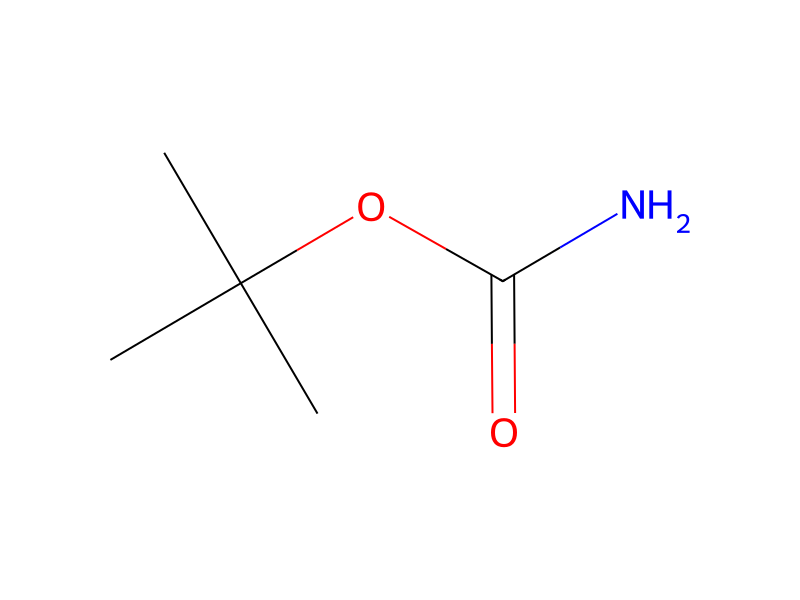
tert-Butyl carbamate → tert-butyl N-(3-fluoro-5-methyl-2-pyridinyl)carbamate

HRID 516
Notizen
Druckvorschau

Reaktionsgleichung

Reaktionsgleichung von HRID 516
CC(C)(C)OC(N)=O.Cc1cnc(Cl)c(F)c1>C1COCCO1.CC(=O)O.CC(=O)O.CC1(C)c2cccc(P(c3ccccc3)c3ccccc3)c2Oc2c(P(c3ccccc3)c3ccccc3)cccc21.[Na+].[OH-].[Pd]>Cc1cnc(NC(=O)OC(C)(C)C)c(F)c1
KomponentenReaktionsbedingungenVersuchsvorschriftQuellen und NachweiseNotizen zur Reaktion

Komponenten

7

Edukt 2

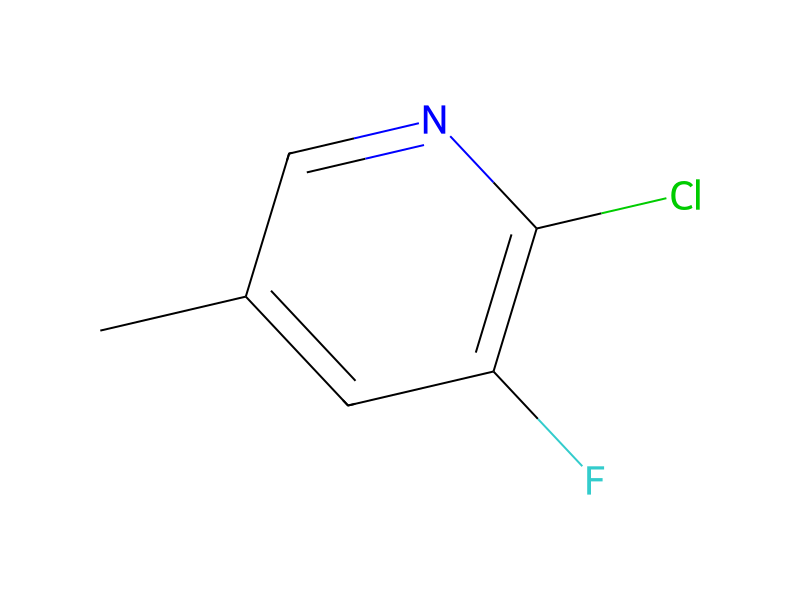
HCID 77922tert-Butyl carbamateHCID 135413652-Chloro-3-fluoro-5-methylpyridine

Produkt 1

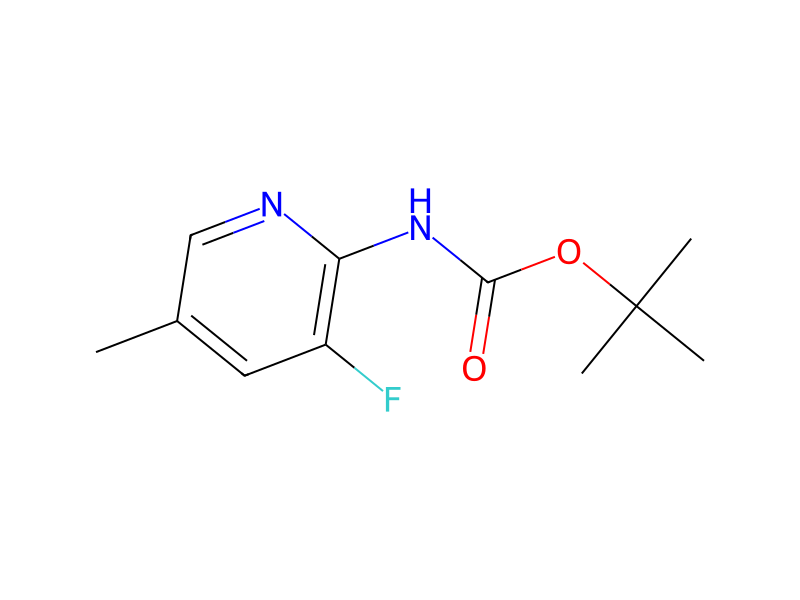
HCID 90064798tert-butyl N-(3-fluoro-5-methyl-2-pyridinyl)carbamateAusbeute 25,74 %

Reagenzien, Katalysatoren, Lösungsmittel 4

HCID 14798Sodium HydroxideReagenzHCID 6360441,1'-(9,9-Dimethyl-9H-xanthene-4,5-diyl)bis(1,1-diphenylphosphine)
Katalysator
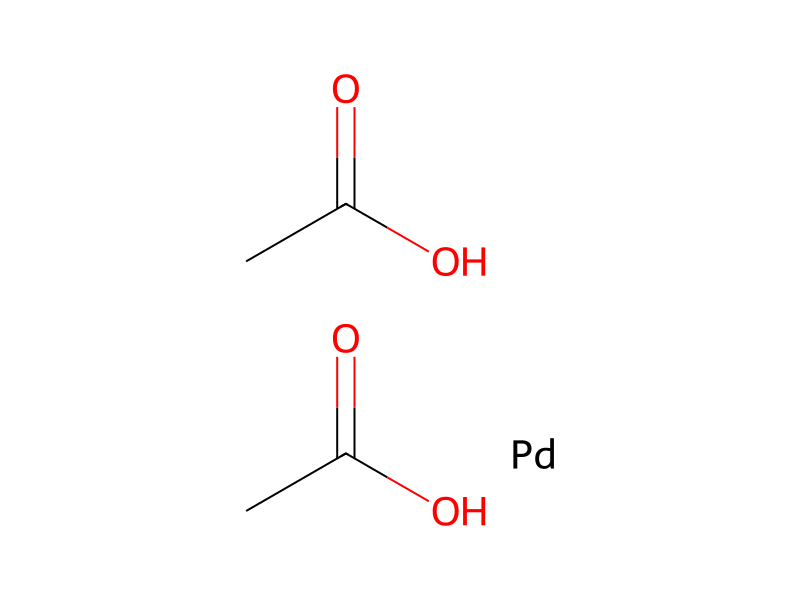
HCID 4144353Palladium (II) acetateKatalysator
HCID 312751,4-DioxaneLösungsmittel

Reaktionsbedingungen

Temperatur
100 °C

Versuchsvorschrift

diacetoxypalladium (15.42 mg, 0.07 mmol) and(9,9-dimethyl-9H-xanthene-4,5-diyl)bis(diphenylphosphine) (39.8 mg, 0.07 mmol) were added to a degassed mixture of 2-chloro-3-fluoro-5-methylpyridine (100 mg, 0.69 mmol), tert-butyl carbamate (105 mg, 0.89 mmol) and 2-chloro-3-fluoro-5-methylpyridine (100 mg, 0.69 mmol) in dioxane (10 mL) at 21°C. The resulting mixture was stirred at 100 °C for 2 hours.Cooled. Adsorbed onto silica. The crude product was purified by flash silica chromatography, elution gradient 10 to 30% DCM in heptane. Pure fractions were evaporated to dryness to afford tert-butyl 3-fluoro-5-methylpyridin-2-ylcarbamate (40.0 mg, 25.7 %) as a cream solid. not pure enough to register ..
Quellen und Nachweise

ORD-Eintrag
ord-fde5e0f95519439ca9660af435fc14a6
Quelldatensatz
750 AstraZeneca ELN dataset
Originallink
Quelle ansehen

Notizen zur Reaktion

Wird geladen…

Auf dieser SeiteKomponentenReaktionsbedingungenVersuchsvorschriftQuellen und NachweiseNotizen zur Reaktion