Chloral Hydrate → Acetamide, 2-(hydroxyimino)-N-phenyl-
Reaktionsgleichung

N1C2C(=CC=CC=2)C(C(O)=O)=CC=1.[NH:14]1[C:24]2[C:19](=[CH:20][CH:21]=[CH:22][CH:23]=2)[C:17](=O)[C:15]1=[O:16].NC1C=CC=CC=1.ClC(Cl)(Cl)C(O)O.Cl.[NH2:40][OH:41]>>[CH:21]1[CH:20]=[CH:19][C:24]([NH:14][C:15](/[CH:17]=[N:40]/[OH:41])=[O:16])=[CH:23][CH:22]=1Komponenten
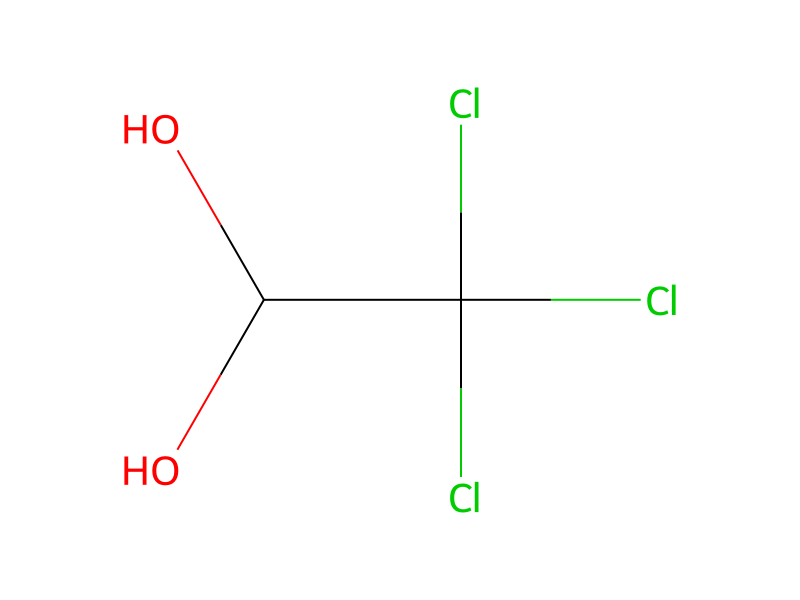



Versuchsvorschrift
The quinoline-4-carboxylic acid [E] can be prepared using the classical Sandmeyer isatin synthesis followed by the Pfitzinger reacton. The aniline was reacted with chloral hydrate and hydroxylamine hydrochloride to afford the substituted isonitrosoacetanilide which was cyclized using a suitable acid catalyst to afford the isatin as described in. Alternatively the isatin can be bought from commercial sources. The isatin can then be converted into the corresponding substituted quinoline-4-carboxylic acid using the Pfitzinger reaction as in reference 17. In some instances the Pfitzinger reaction yielded a quinoline-2,4-dicarboxylic acid which was decarboxylated to the quinoline-4-carboxylic acid by reacting it in water for 2 h using a pressured tube at 200° C.
Quellen und Nachweise
- ORD-Eintrag
- ord-b472b2add2f040e2bc9bb3e4ecd0d4ac
- Quelldatensatz
- uspto-grants-2016_05
- Patentnummer
- US09346814B2
Notizen zur Reaktion
Wird geladen…