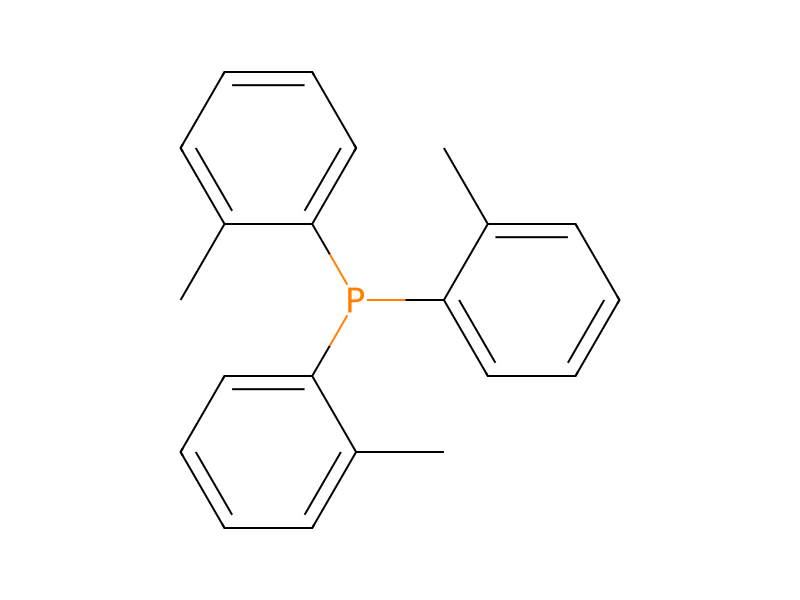
[F:1][C:2]1[CH:7]=[C:6]([N+:8]([O-:10])=[O:9])[CH:5]=[C:4](I)[CH:3]=1.[C:12]1(B(O)O)[CH:17]=[CH:16][CH:15]=[CH:14][CH:13]=1.C1(C)C=CC=CC=1P(C1C=CC=CC=1C)C1C=CC=CC=1C.C(=O)([O-])[O-].[Na+].[Na+]>C(OCC)(=O)C.CC([O-])=O.CC([O-])=O.[Pd+2].O.C(COC)OC>[F:1][C:2]1[CH:3]=[C:4]([C:12]2[CH:17]=[CH:16][CH:15]=[CH:14][CH:13]=2)[CH:5]=[C:6]([N+:8]([O-:10])=[O:9])[CH:7]=1A suspension of 1-fluoro-3-iodo-5-nitrobenzene (11.0 g, 41.3 mmol), phenyl boronic acid (5.54 g, 45.4 mmol), tri-o-tolylphosphine (1.26 g, 4.13 mmol), Pd(OAc)2 (0.463 g, 2.07 mmol), and sodium carbonate (6.57 g, 62.0 mmol) in 4:1 dimethoxyethane:water (80 mL) was heated to 100° C. in a sealed tube for 6 hours. Upon cooling to ambient temperature, the reaction mixture was diluted with ethyl acetate (500 mL) and filtered through CELITE. The organic layer was washed with brine (500 mL) and concentrated in vacuo. The residue was purified by silica gel column chromatography (ethyl acetate/hexanes) provided 3-fluoro-5-nitrobiphenyl as an off-white solid. 1H NMR (400 MHz, CDCl3) δ 8.31 (s, 1H), 7.93 (dt, J=8.1 Hz, 2.1 Hz, 1H), 7.72-7.60 (m, 3H), 7.51 (ddd, J=10.9, 9.9, 5.6 Hz, 3H).