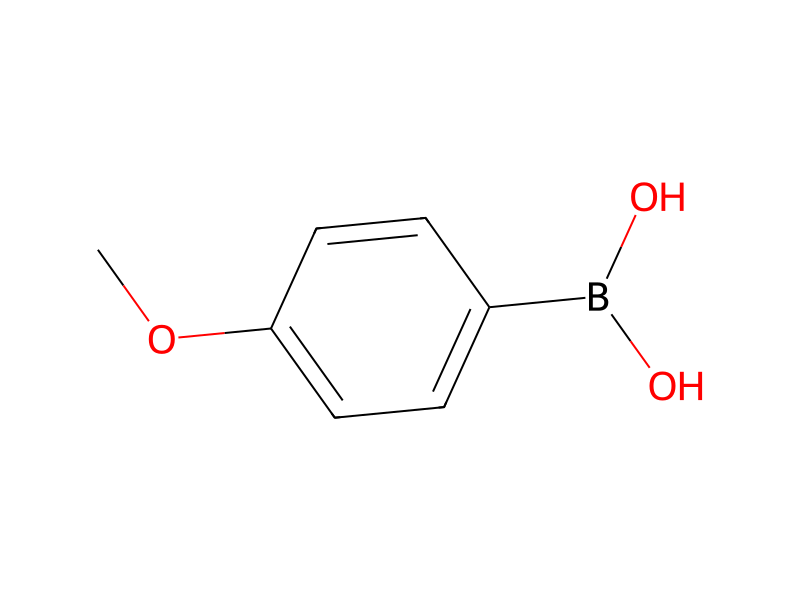
First, to a recovery flask equipped with a reflux pipe were placed 1.03 g of 2-chloro-3,5-dimethylpyrazine, 1.09 g of 4-methoxyphenylboronic acid, 0.76 g of sodium carbonate, 0.032 g of bis(triphenylphosphine)palladium(II)dichloride (abbreviation: Pd(PPh3)2Cl2), 10 mL of water, and 10 mL of acetonitrile, and the atmosphere in the flask was replaced with argon. This reaction container was subjected to irradiation with a microwave (2.45 GHz, 100 W) for 10 minutes to be heated. Then, water was added to this solution, and an organic layer was extracted with dichloromethane. The obtained organic layer was washed with water and dried with magnesium sulfate. After drying, the solution was filtrated. The solvent of this solution was distilled off, whereby a pyrazine derivative Hdmmoppr (dark yellow liquid, yield: 99%), which was a target substance, was obtained. For the irradiation with a microwave, a microwave synthesis system (Discover, manufactured by CEM Corporation) was used. A synthesis scheme of Step 1 is shown by the following (A-1).