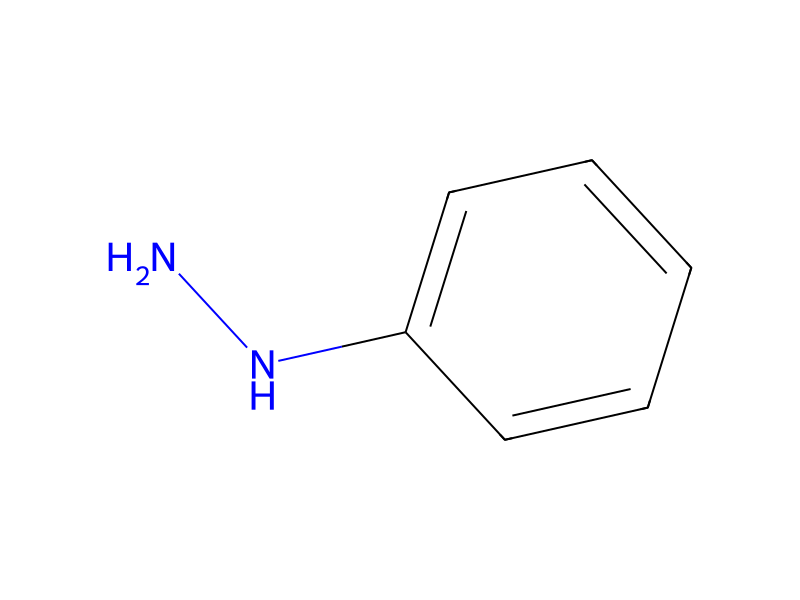
Water → (R)-6-tert-butyl 4a-methyl 1-phenyl-4a,5,7,8-tetrahydro-1H-pyrazolo[3,4-g]isoquinoline-4a,6(4H)-dicarboxylate
HRID 537257
Reaktionsgleichung

O/[CH:2]=[C:3]1\[C:4](=O)[CH:5]=[C:6]2[C@:11]([C:13]([O:15][CH3:16])=[O:14])([CH2:12]\1)[CH2:10][N:9]([C:17]([O:19][C:20]([CH3:23])([CH3:22])[CH3:21])=[O:18])[CH2:8][CH2:7]2.O.O.O.C([O-])(=O)C.[Na+].[C:33]1([NH:39][NH2:40])[CH:38]=[CH:37][CH:36]=[CH:35][CH:34]=1.O>C(O)(=O)C.ClCCl>[C:33]1([N:39]2[C:4]3[CH:5]=[C:6]4[C@:11]([C:13]([O:15][CH3:16])=[O:14])([CH2:12][C:3]=3[CH:2]=[N:40]2)[CH2:10][N:9]([C:17]([O:19][C:20]([CH3:21])([CH3:23])[CH3:22])=[O:18])[CH2:8][CH2:7]4)[CH:38]=[CH:37][CH:36]=[CH:35][CH:34]=1Komponenten
7