Acetic Acid → Diethyl 2-oxomalonate hydrate
HRID 537348
Reaktionsgleichung

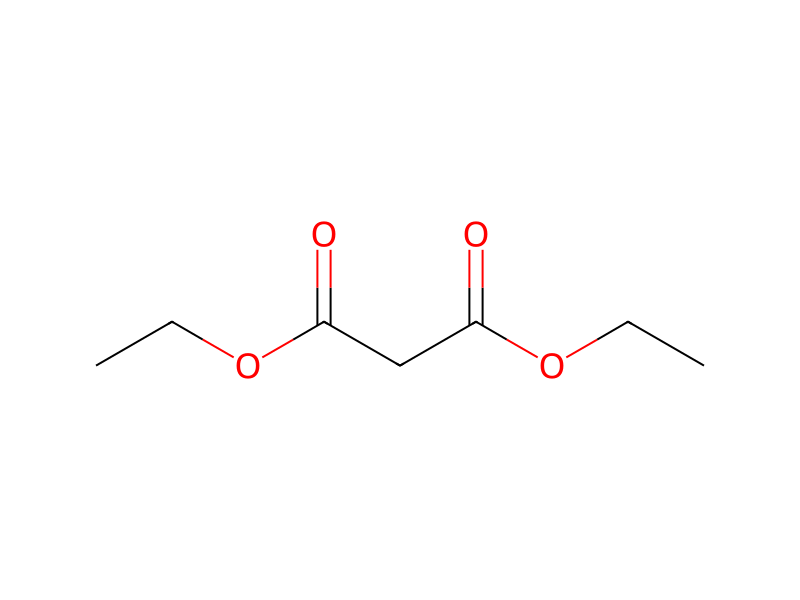
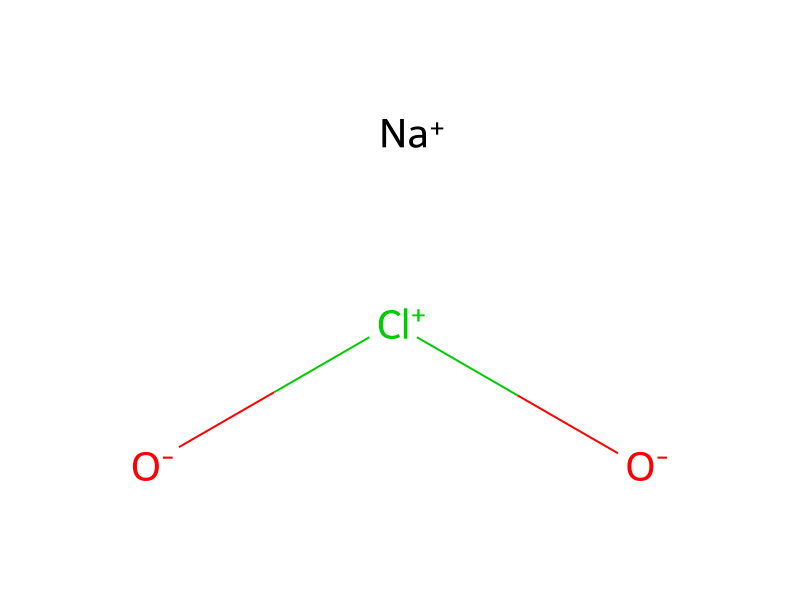
Cl([O-])=[O:2].[Na+].C(O)(=[O:7])C.[C:9]([O:17][CH2:18][CH3:19])(=[O:16])[CH2:10][C:11]([O:13][CH2:14][CH3:15])=[O:12]>C(OCC)(=O)C>[OH2:2].[O:7]=[C:10]([C:11]([O:13][CH2:14][CH3:15])=[O:12])[C:9]([O:17][CH2:18][CH3:19])=[O:16]Komponenten
5
Edukt 3

Produkt 1

Reagenzien, Katalysatoren, Lösungsmittel 1

Versuchsvorschrift
To a 100 mL four-necked flask equipped with a mechanical stirrer, a dropping funnel and a thermometer, 49.6 g (0.137 mole) of 25% sodium chlorite aqueous solution, and then 2.6 mL (0.046 mole) of acetic acid were slowly added. The pH in the reaction system was pH 4.4. Furthermore, 10 g (0.062 mole) diethyl malonate was slowly added under room temperature, and then the mixture was stirred under room temperature for 3 hours, and then 49 mL ethyl acetate was added to the reaction system to separate the liquids. The organic layer was separated, and ethyl acetate was distilled off under reduced pressure, to give 11.6 g of diethyl ketomalonate hydrate (melting point: 54.6 to 56.9° C.) (97% yield rate).