StartseiteMCPWorkbenchSkills
StartseiteWorkbenchBenachrichtigungenMein Bereich
llms.txt · MCP-AnleitungDatenschutz · Nutzungsbedingungen · Supportv1.8.3
  1. Startseite
  2. /Reaktion

Hydrochloric Acid → acetyloxymethyl (6R,7R)-3-(carbamoyloxymethyl)-7-[[(2Z)-2-(furan-2-yl)-2-methoxyiminoacetyl]amino]-8-oxo-5-thia-1-azabicyclo[4.2.0]oct-2-ene-2-carboxylate

HRID 543529
Drucken

Reaktionsgleichung

Reaktionsgleichung von HRID 543529
[C:1]([O:4][CH2:5][C:6]1[CH2:7][S:8][C@@H:9]2[C@H:16]([NH:17][C:18](=[O:28])/[C:19](/[C:23]3[O:24][CH:25]=[CH:26][CH:27]=3)=[N:20]\[O:21][CH3:22])[C:15](=[O:29])[N:10]2[C:11]=1[C:12]([OH:14])=[O:13])(=[O:3])[NH2:2].C(=O)([O-])[O-].[K+].[K+].[C:36]([O:39][CH2:40]Br)(=[O:38])[CH3:37].[Br-].[K+].C1C=C2C(C(O)(O)C(=O)C2=CC=1)=O.Cl>CN(C)C=O.C(OCC)(=O)C.CC(C)=O.C(Cl)(Cl)Cl>[C:1]([O:4][CH2:5][C:6]1[CH2:7][S:8][C@@H:9]2[C@H:16]([NH:17][C:18](=[O:28])/[C:19](/[C:23]3[O:24][CH:25]=[CH:26][CH:27]=3)=[N:20]\[O:21][CH3:22])[C:15](=[O:29])[N:10]2[C:11]=1[C:12]([O:14][CH2:40][O:39][C:36](=[O:38])[CH3:37])=[O:13])(=[O:3])[NH2:2]
KomponentenVersuchsvorschriftAufarbeitungQuellen und NachweiseNotizen zur Reaktion

Komponenten

11

Edukt 6

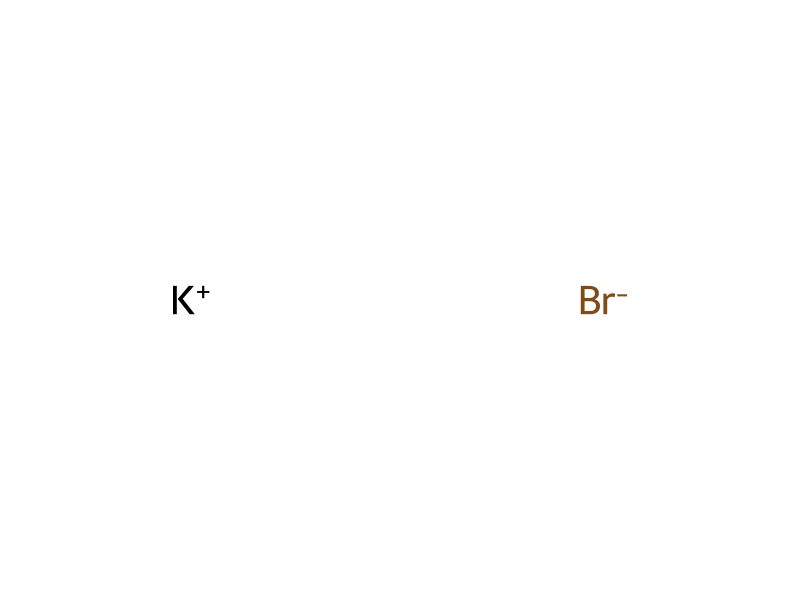
HCID 313Hydrochloric AcidHCID 10236NinhydrinHCID 11430Potassium CarbonateHCID 68536Bromomethyl acetateHCID 253877Potassium BromideHCID 5479529Cefuroxime

Produkt 1

HCID 172973535
acetyloxymethyl (6R,7R)-3-(carbamoyloxymethyl)-7-[[(2Z)-2-(furan-2-yl)-2-methoxyiminoacetyl]amino]-8-oxo-5-thia-1-azabicyclo[4.2.0]oct-2-ene-2-carboxylate
Ausbeute 46,9 %

Reagenzien, Katalysatoren, Lösungsmittel 4

HCID 180AcetoneLösungsmittelHCID 6212ChloroformLösungsmittelHCID 6228DimethylformamideLösungsmittel2×HCID 8857Ethyl AcetateLösungsmittel

Versuchsvorschrift

A solution (6R,7R)-3-carbamoyloxymethyl-7-[(Z)-2-(fur-2-yl)-2-methoxyiminoacetamido]ceph-3-em-4-carboxylic acid (12.00 g) in N,N-dimethylformamide (70 ml) was stirred for 10 minutes with potassium carbonate (1.95 g), during which time the mixture became darker and the solid almost completely dissolved. A solution of acetoxymethyl bromide (5.0 g) in N,N-dimethylformamide (15 ml) was then added, whereupon precipitation of potassium bromide occurred almost immediately. The reaction mixture was stirred at 21° for 30 minutes, after which it is shown by t.l.c. (developing with chloroform:acetone=2:1 and observing the spots under u.v. light and by spraying with ninhydrin and heating to 120°) to contain no unreacted cephalosporin starting material. The reaction mixture was then poured into a mixture of 2 N-hydrochloric acid (350 ml) and ethyl acetate (350 ml), and the aqueous phase was extracted with further ethyl acetate (2×200 ml). The organic extracts were combined and were washed successively with 2 N-hydrochloric acid (2× 300 ml), water (2×300 ml), aqueous sodium bicarbonate solution (3%, 300 ml), water (3×300 ml), and saturated sodium chloride solution (2×300 ml), and dried (MgSO4), and the solvent was removed in vacuo to give a yellow froth (13.87 g). This product was absorbed onto a column of silica gel (Hopkin and Williams, 100 to 200 mesh-330 g) which was eluted with chloroform:acetone=2:1; 25 ml fractions were collected. Evaporation of fractions 11 to 32 gave crude title ester, which crystallised during the evaporation. The resulting solid (7.217 g) was triturated with ether to give the title ester (6.58 g) as a white powder, m.p. 181° to 183° (Kofler); [α]D +58° (c 0.98, DMSO), [α]D +72° (c 1.32, dioxan); λmax (EtOH) 276 nm (ε 19,750). The nmr and infrared data are shown in Table 1 hereinafter. The structure of the product was also confirmed by microanalysis.


Aufarbeitung

  1. dissolutionthe solid almost completely dissolved
  2. temperatureheating to 120°)
  3. extractionthe aqueous phase was extracted with further ethyl acetate (2×200 ml)
  4. washwere washed successively with 2 N-hydrochloric acid (2× 300 ml), water (2×300 ml), aqueous sodium bicarbonate solution (3%, 300 ml), water (3×300 ml), and saturated sodium chloride solution (2×300 ml)
  5. dry with materialdried (MgSO4)
  6. customthe solvent was removed in vacuo
  7. customto give a yellow froth (13.87 g)
  8. customThis product was absorbed onto a column of silica gel (Hopkin and Williams, 100 to 200 mesh-330 g) which
  9. washwas eluted with chloroform
  10. custom25 ml fractions were collected
  11. customEvaporation of fractions 11 to 32
  12. customgave crude title ester, which
  13. customcrystallised during the evaporation
  14. customThe resulting solid (7.217 g) was triturated with ether

Quellen und Nachweise

ORD-Eintrag
ord-83f9bdce058b48ff94b3ab8e17dc0686
Quelldatensatz
uspto-grants-1984_05
DOI
10.6084/m9.figshare.5104873.v1
Patentnummer
US04446317

Notizen zur Reaktion

Auf dieser SeiteKomponentenVersuchsvorschriftAufarbeitungQuellen und NachweiseNotizen zur Reaktion