StartseiteMCPWorkbenchSkills
StartseiteWorkbenchBenachrichtigungenMein Bereich
llms.txt · MCP-AnleitungDatenschutz · Nutzungsbedingungen · Supportv1.8.3
  1. Startseite
  2. /Reaktion

Diethyl Ether → HCID 20459484, Verbindung

HRID 544122
Drucken

Reaktionsgleichung

Reaktionsgleichung von HRID 544122
[C:1]1([C:7]([C:26]2[CH:31]=[CH:30][CH:29]=[CH:28][CH:27]=2)=[N:8][CH2:9][CH:10]([N:12]=[C:13]([C:20]2[CH:25]=[CH:24][CH:23]=[CH:22][CH:21]=2)[C:14]2[CH:19]=[CH:18][CH:17]=[CH:16][CH:15]=2)[CH3:11])[CH:6]=[CH:5][CH:4]=[CH:3][CH:2]=1.[H][H].C(OCC)C>C(O)(=O)C.C(O)C.[Pt]=O>[C:1]1([CH:7]([C:26]2[CH:31]=[CH:30][CH:29]=[CH:28][CH:27]=2)[NH:8][CH2:9][CH:10]([NH:12][CH:13]([C:20]2[CH:21]=[CH:22][CH:23]=[CH:24][CH:25]=2)[C:14]2[CH:15]=[CH:16][CH:17]=[CH:18][CH:19]=2)[CH3:11])[CH:6]=[CH:5][CH:4]=[CH:3][CH:2]=1
KomponentenVersuchsvorschriftAufarbeitungQuellen und NachweiseNotizen zur Reaktion

Komponenten

7

Edukt 3

HCID 3283Diethyl EtherHCID 20459486N,N'-bis-(diphenylmethylene)-1,2-propylenediamineHCID 178418361HCID 178418361, Verbindung

Produkt 1

HCID 20459484HCID 20459484, Verbindung

Reagenzien, Katalysatoren, Lösungsmittel 3

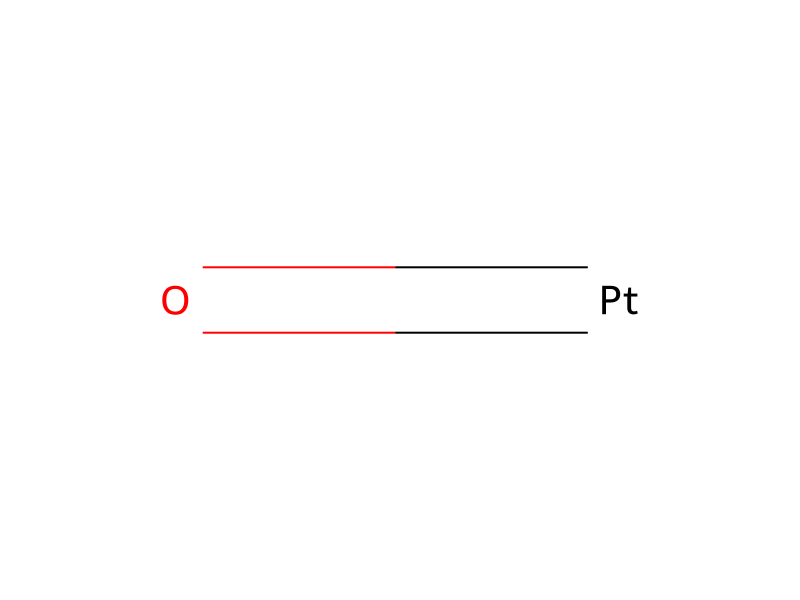
HCID 82844Platinum oxide (PtO)Katalysator
HCID 176
Acetic Acid
Lösungsmittel
HCID 702EthanolLösungsmittel

Versuchsvorschrift

180 g of N,N'-bis-(diphenylmethylene)-1,2-propylenediamine are dissolved in 540 ml of acetic acid. 3 g of platinum oxide are added and the mixture is scavenged thoroughly with argon and then hydrogen is introduced while stirring vigorously until starting material can no longer be detected by thin layer chromatography (silica gel 60, diethyl ether: Rf =0.62) (generally 24 to 48 hours). The reaction solution is diluted with 150 ml of ethanol, the catalyst is filtered off and then the filtrate is concentrated to dryness by evaporation under reduced pressure in a water bath. The oil residue obtained after concentration by evaporation is triturated with 375 ml of 10% sodium hydroxide solution and extracted twice with 375 ml of diethyl ether each time. The ether phases are combined, washed twice with 70 ml of saturated sodium chloride solution each time, dried over magnesium sulphate and then evaporated to dryness on a water bath, first at approximately 20 mbar and then at approximately 0.03 mbar. The residue is dissolved in approximately 300 ml of ethanol, water is added until the solution starts to become cloudy (approximately 20 ml) and then the whole is caused to crystallise in an ice bath. The precipitated crystals are filtered with suction, washed with a little methanol and dried thoroughly at approximately 0.03 mbar. N,N'-bis-(diphenylmethyl)-1,2-propylenediamine having a melting point of 72°-75° C. is obtained which can be further purified by recrystallisation from approximately double the quantity of methanol and by precipitation with water, and then melts at 75°-77° C.


Aufarbeitung

  1. customgenerally 24 to 48 hours
  2. filtrationthe catalyst is filtered off
  3. concentrationthe filtrate is concentrated to dryness by evaporation under reduced pressure in a water bath
  4. customThe oil residue obtained
  5. concentrationafter concentration
  6. customby evaporation
  7. customis triturated with 375 ml of 10% sodium hydroxide solution
  8. extractionextracted twice with 375 ml of diethyl ether each time
  9. washwashed twice with 70 ml of saturated sodium chloride solution each time
  10. dry with materialdried over magnesium sulphate
  11. customevaporated to dryness on a water bath, first at approximately 20 mbar
  12. dissolutionThe residue is dissolved in approximately 300 ml of ethanol
  13. additionwater is added until the solution
  14. customto crystallise in an ice bath
  15. filtrationThe precipitated crystals are filtered with suction
  16. washwashed with a little methanol
  17. customdried thoroughly at approximately 0.03 mbar

Quellen und Nachweise

ORD-Eintrag
ord-a0a4792df7244fa9b6cbcfc3f35b231f
Quelldatensatz
uspto-grants-1984_05
DOI
10.6084/m9.figshare.5104873.v1
Patentnummer
US04448776

Notizen zur Reaktion

Auf dieser SeiteKomponentenVersuchsvorschriftAufarbeitungQuellen und NachweiseNotizen zur Reaktion