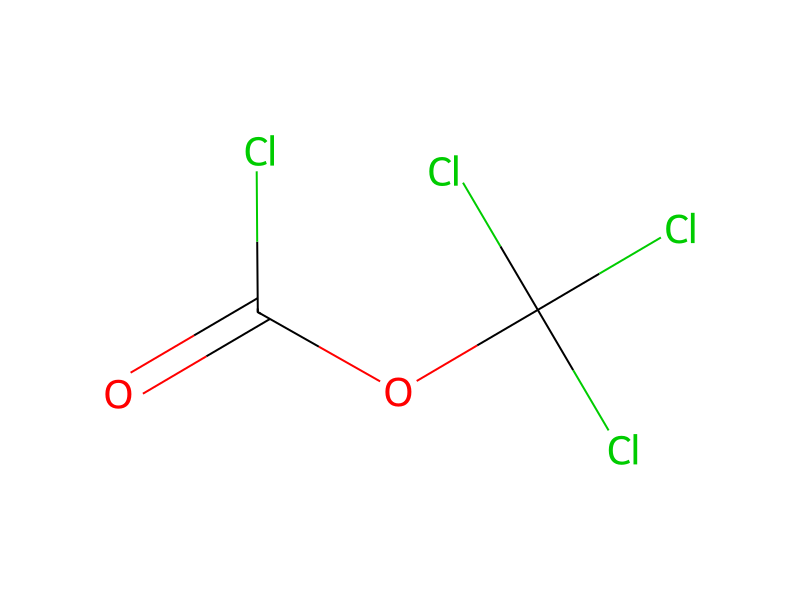
To a solution of 15 mL of trichloromethyl chloroformate (diphosgene) in 500 mL of toluene are added 3 g of 3S charcoal. To this suspension cooled to −20° C. are added 20 g of 3-nitro-4-trifluoromethoxyaniline dissolved in 400 mL of toluene. The reaction mixture is gradually warmed to room temperature and then refluxed for 4 hours. After cooling to room temperature, a suspension of 18 g of dimethylglycine ethyl ester hydrochloride in 150 mL of toluene is added, followed by 66 mL of triethylamine, and the reaction mixture is refluxed for 15 hours. After filtering through Celite, the filtrate is concentrated under reduced pressure and the residue is taken up in 500 mL of dichloromethane, washed with three times 100 mL of water, dried over magnesium sulphate, filtered and concentrated under reduced pressure. The residue is then triturated in diethyl ether and the solid formed is filtered off and dried to give 7.8 g of 5,5-dimethyl-3-[3-nitro-4-(trifluoromethoxy)phenyl]imidazolidine-2,4-dione, the characteristics of which are as follows: