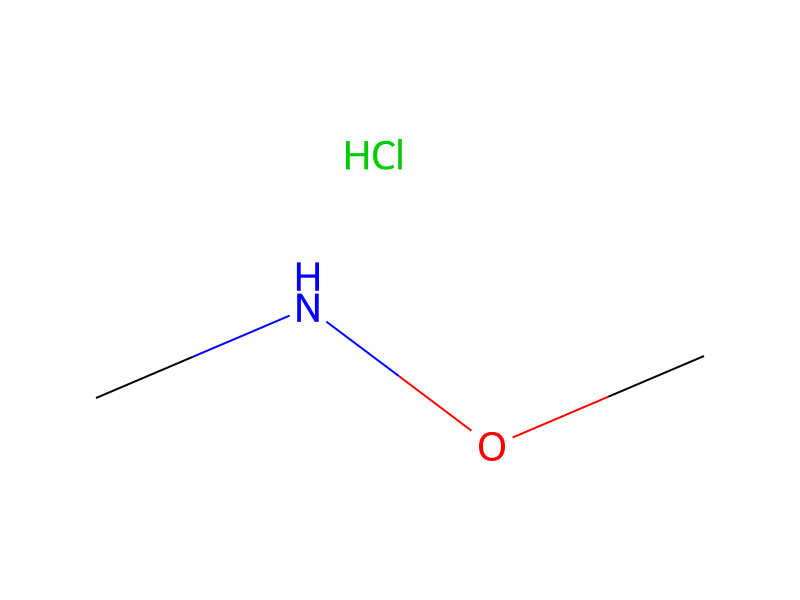
Cl.[CH3:2][NH:3][O:4][CH3:5].C(=O)([O-])[O-].[K+].[K+].C(=O)=O.[Br:15][C:16]1[CH:17]=[C:18]2[C:23](=[CH:24][CH:25]=1)[CH:22]=[C:21]([C:26](Cl)=[O:27])[CH:20]=[CH:19]2>O.ClCCl>[Br:15][C:16]1[CH:17]=[C:18]2[C:23](=[CH:24][CH:25]=1)[CH:22]=[C:21]([C:26]([N:3]([O:4][CH3:5])[CH3:2])=[O:27])[CH:20]=[CH:19]2N,O-Dimethylhydroxylamine Hydrochloride (41.3 g, 423 mmol, 1.5 equiv.) was dissolved in distilled water (200 mL) and potassium carbonate (117 g, 3.0 equiv.) was added portion wise (CO2 evolution). Water (300 mL) and dichloromethane (200 mL) was added and a solution of 6-bromo-2-naphthoyl chloride (76.1 g, 282 mmol, 1.00-equiv.) in dichloromethane (300 mL) was added portion wise to this mixture while stirring. The reaction mixture was stirred 1 hour. The organic layer was separated, dried over sodium sulphate, filtrated, concentrated and dried in vacuum overnight, yielding 6-bromo-N-methoxy-N-methyl-2-naphthamide (82.9 g, 100%) as a brown solid.