StartseiteMCPWorkbenchSkills
StartseiteWorkbenchBenachrichtigungenMein Bereich
llms.txt · MCP-AnleitungDatenschutz · Nutzungsbedingungen · Supportv1.8.3
  1. Startseite
  2. /Reaktion

Dimethylcarbamoyl Chloride → HCID 525277, Verbindung

HRID 55904
Drucken

Reaktionsgleichung

Reaktionsgleichung von HRID 55904
[CH3:1][N:2](C)[C:3](Cl)=O.[CH2:7]([NH:13][C:14](=O)[CH3:15])[CH2:8][CH2:9][CH2:10]CC.[OH-].[Na+].C(=O)([O-])[O-].[Ca+2]>C1(C)C=CC=CC=1.O>[CH3:1][N:2]([CH3:3])[C:14](=[N:13][CH2:7][CH2:8][CH2:9][CH3:10])[CH3:15]
KomponentenVersuchsvorschriftAufarbeitungQuellen und NachweiseNotizen zur Reaktion

Komponenten

7

Edukt 4

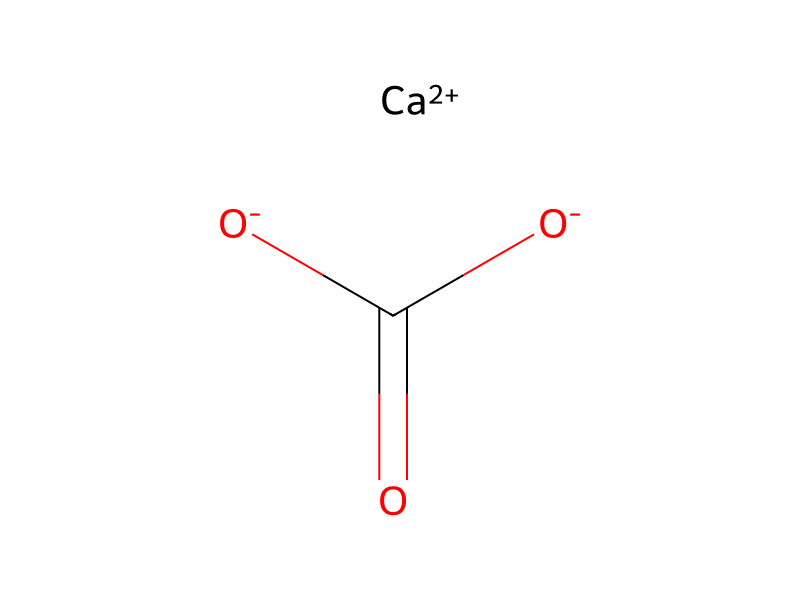
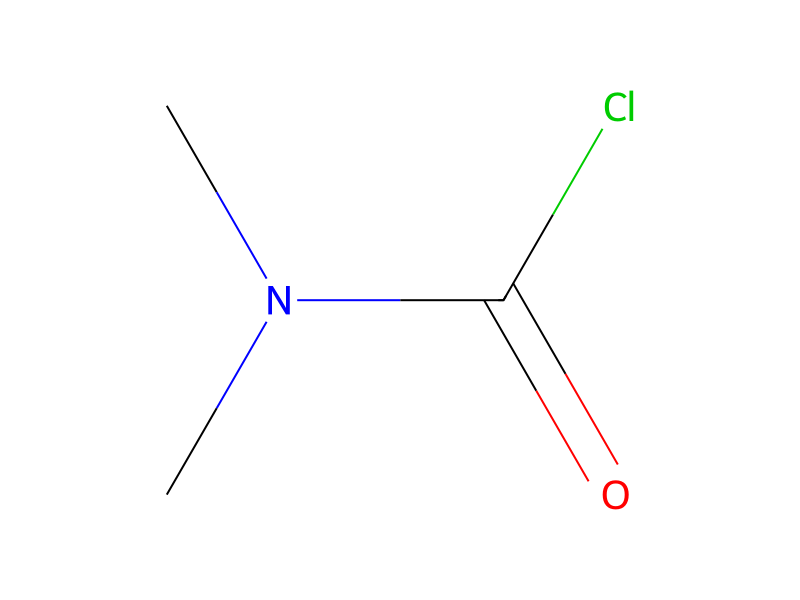
HCID 6598Dimethylcarbamoyl ChlorideHCID 10112Calcium CarbonateHCID 14798Sodium HydroxideHCID 24129N-Hexylacetamide

Produkt 1

HCID 525277HCID 525277, VerbindungAusbeute 32,4 %

Reagenzien, Katalysatoren, Lösungsmittel 2

HCID 962
Water
Lösungsmittel
HCID 1140TolueneLösungsmittel

Versuchsvorschrift

Dimethylcarbamyl chloride (9.35 g, 86.9 mmol) was slowly added to a solution of N-hexyl acetamide (10.0 g, 86.9 mmol) in 10 mL of dry toluene. After being refluxed under a nitrogen atmosphere for 16 h, the volatile materials were removed on a rotary evaporator and then in vacuo for 2 h at room temperature. The residue was dissolved in 30 mL dichloromethane and the solution was stirred vigorously with a solution of 3.48 g (86.9 mmol) of sodium hydroxide in 40 mL water for 30 min. Calcium carbonate (3.48 g) was added to the mixture and it was stirred another 30 min. The organic phase was separated and the aqueous phase was washed with dichloromethane (3×25 mL). The combined organic phases were dried over anhydrous calcium carbonate. The volatile materials were evaporated on a rotary evaporator. The residue was distilled, bp 28-30° C./0.25 Torr (lit. bp 69-71° C./13 Torr (see Haug, E. et al. Synthesis, 1983, 35-37)), to yield 4.0 g (32%) of product, 98% pure (GC). IR (neat) 2956, 2929, 286 (C—H), 1629 (N═C) cm−1. 1H NMR 3.17 (t, 2H, JHH 7.2 Hz, —CH2—N═), 2.86 (s, 6H, —N—(CH3)2); 1.87 (s, 3H, —N═C(CH3)—N); 1.5 (m, 2H, —CH2—CH2—N═); 1.25- 1.4 (m, 6H, CH3—(CH2)3—); 0.88 (t, 3H, JHH 7.2 Hz, CH3).

Aufarbeitung

  1. temperatureAfter being refluxed under a nitrogen atmosphere for 16 h
  2. customthe volatile materials were removed on a rotary evaporator
  3. dissolutionThe residue was dissolved in 30 mL dichloromethane
  4. customThe organic phase was separated
  5. washthe aqueous phase was washed with dichloromethane (3×25 mL)
  6. dry with materialThe combined organic phases were dried over anhydrous calcium carbonate
  7. customThe volatile materials were evaporated on a rotary evaporator
  8. distillationThe residue was distilled
  9. custombp 28-30° C./0.25 Torr (lit. bp 69-71° C./13 Torr (see Haug, E. et al. Synthesis, 1983, 35-37))

Quellen und Nachweise

ORD-Eintrag
ord-542ec68f963143eeaa0c5c991c86a346
Quelldatensatz
uspto-grants-2016_09
DOI
10.6084/m9.figshare.5104873.v1
Patentnummer
US09433895B2

Notizen zur Reaktion

Auf dieser SeiteKomponentenVersuchsvorschriftAufarbeitungQuellen und NachweiseNotizen zur Reaktion