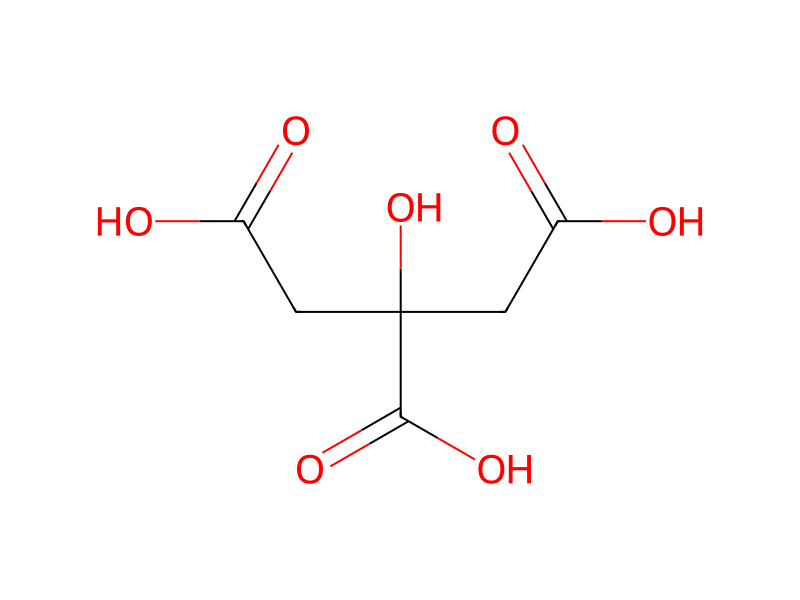
[NH:1]([CH:3]([CH2:5][CH2:6][CH2:7][C:8]1[CH:13]=[CH:12][CH:11]=[CH:10][CH:9]=1)[CH3:4])[NH2:2].C(N(CC)CC)C.[CH3:21][O:22][C:23](OC)=[C:24]([C:27]#[N:28])[C:25]#[N:26].C(O)(=O)CC(CC(O)=O)(C(O)=O)O>CO.O>[NH2:28][C:27]1[N:1]([CH:3]([CH2:5][CH2:6][CH2:7][C:8]2[CH:9]=[CH:10][CH:11]=[CH:12][CH:13]=2)[CH3:4])[N:2]=[C:23]([O:22][CH3:21])[C:24]=1[C:25]#[N:26]3.6 g of 2-hydrazino-5-phenylpentane are dissolved in 40 ml of methanol, and 2.8 ml of triethylamine are added. Then, 2.8 g of 1,1-dimethoxy-2,2-dicyanoethylene are added at approx. 0° C. The reaction solution is warmed to approx. 20° C. and stirred for 1.5 hours at approx. 20° C. For work-up, the mixture is diluted with water, acidified with citric acid and extracted twice with dichloromethane. The combined dichloromethane phases are dried with magnesium sulphate and evaporated in vacuo. This gives 5.1 g of a yellow oil, which crystallizes slowly. The oil is chromatographed on silica gel (Merck Si 60 0.04-0.063 mm) with a petroleum ether/ethyl acetate mixture in a ratio of 5:1 to 1:1. This gives a fraction which, after evaporation in vacuo, affords 4.6 g (=80.9% of theory) of 5-amino-4-cyano-3-methoxy-1-[(5-phenyl)-pent-2-yl]-pyrazole.
Wird geladen…