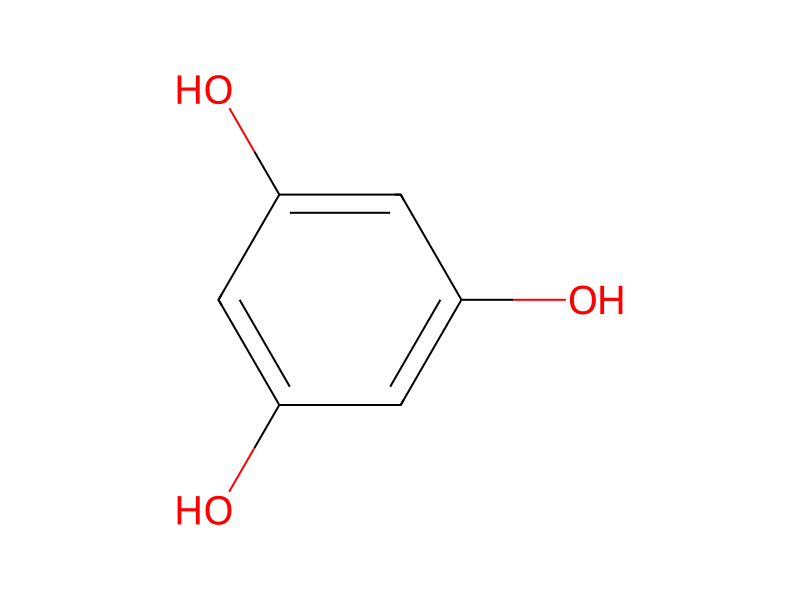
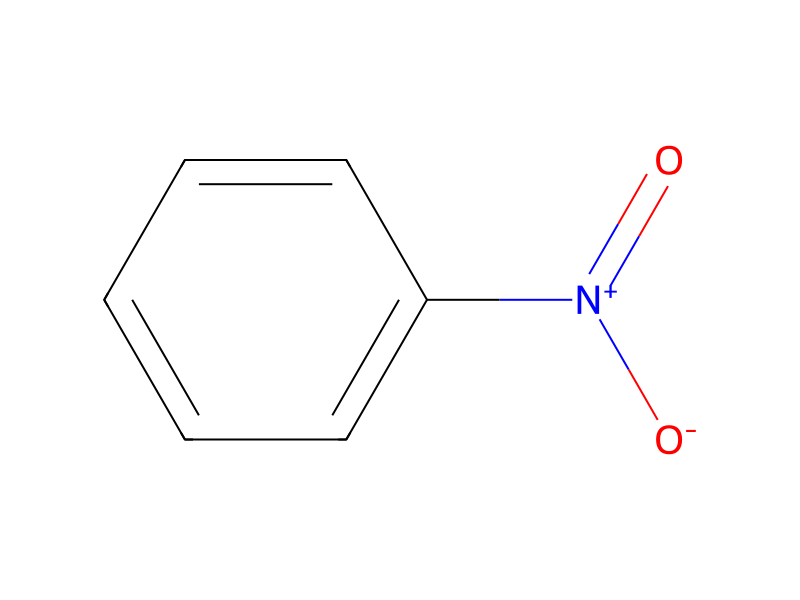
Under the atmosphere of nitrogen, a solvent mixture of 27 ml of nitrobenzene and 23 ml of carbon disulfide was added to 6.613 g (52.4 mmol) of 1,3,5-trihydroxybenzene (1). To the mixture, 21 g (157.2 mmol, 3 equivalents) of granular aluminum chloride was added cooling with ice and stirred for two hours. Into the mixture thus formed, was added a nitrobenzene (8 ml) solution of 10.87 g (57.0 mmol, 1.09 equivalents) of 3,7-dimethyl-octanoyl chloride dropwise and were stirred at room temperature for 21 hours. The reaction mixture was poured into a cold dilute hydrochloric acid solution prepared by adding 5 ml of concentrated hydrochloric acid to 200 ml of ice and stirred and extracted from ether. The organic layer was washed with saturated brine, dried over sodium sulfate, and distilled under a reduced pressure to remove the solvent. To the residue of distillation, a large volume of water was added and were distilled under reduced pressure to remove nitrobenzene solvent by steam distillation method. The residue was extracted from ether, washed with saturated brine, dried over sodium sulfate, and distilled under a reduced pressure to remove the solvent and obtain a crude reaction product. By subjecting the crude product to silica gel column chromatography (using 100 g of Wako Gel C-200, elution with hexane:ethyl acetate=7:3), 9.25 g of (2,4,6-trihydroxyphenyl) (2,6-dimethylheptyl) ketone (6) was obtained in the form of an oily substance.