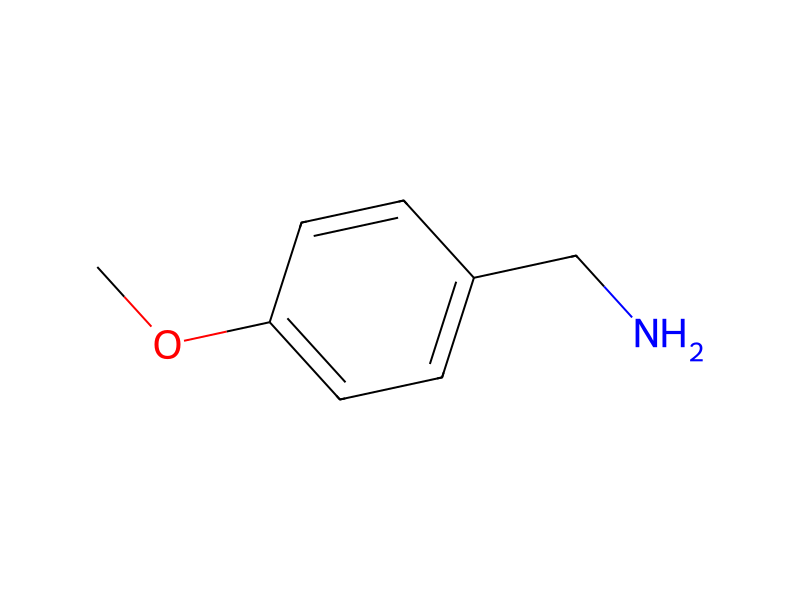
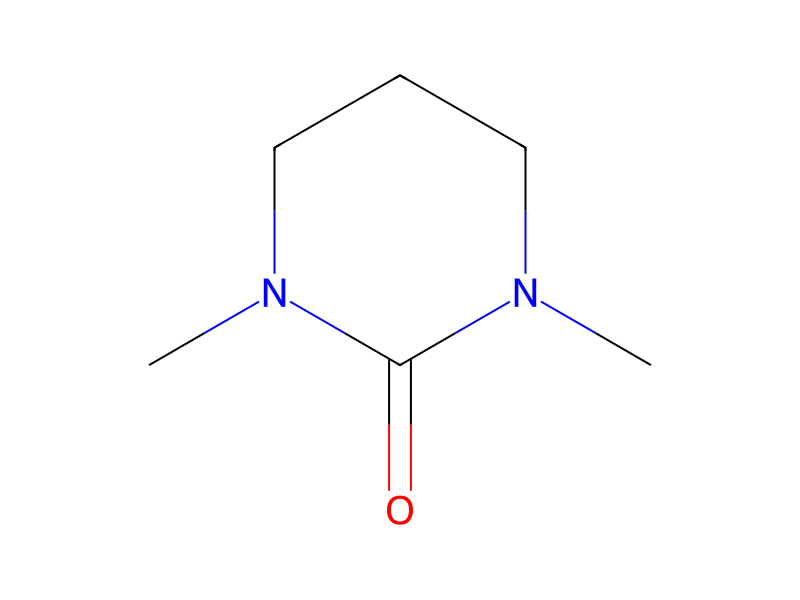
[Cl:1][C:2]1[CH:3]=[C:4]([CH:17]=[CH:18][CH:19]=1)[NH:5][C:6]1[C:7]2[CH:14]=[C:13]([CH:15]=O)[NH:12][C:8]=2[N:9]=[CH:10][N:11]=1.[CH3:20][O:21][C:22]1[CH:29]=[CH:28][C:25]([CH2:26][NH2:27])=[CH:24][CH:23]=1.C(O)(=O)C>CO.CN1C(=O)N(C)CCC1.[Ni]>[Cl:1][C:2]1[CH:3]=[C:4]([CH:17]=[CH:18][CH:19]=1)[NH:5][C:6]1[C:7]2[CH:14]=[C:13]([CH2:15][NH:27][CH2:26][C:25]3[CH:28]=[CH:29][C:22]([O:21][CH3:20])=[CH:23][CH:24]=3)[NH:12][C:8]=2[N:9]=[CH:10][N:11]=1273 mg (1.00 mmol) of 4-(3-chloroanilino)-6-formyl-7H-pyrrolo[2,3-d]pyrimidine (stage 1.6) and 156 ml (1.2 mmol) of 4-methoxybenzylamine in 10 ml of methanol, DMPU and 126 μl (2.2 mmol) of acetic acid are stirred at RT for 1 h. 0.1 g of Raney nickel is then added and the mixture is hydrogenated at RT and finally at 50° C. The catalyst is filtered off, the filtrate is evaporated and the residue is dissolved in ethyl acetate and satd Na2CO3 solution. The aqueous phase separated off is extracted twice with ethyl acetate; the organic phases are washed with satd NaHCO3 solution, and twice with water and brine, dried (MgSO4) and evaporated. Stirring the residue in diethyl ether yields 4-(3-chloroanilino)-6-[(4-methoxybenzylamino)-methyl]-7H-pyrrolo[2,3-d]pyrimidine; HPLC: tRet(Grad20)=9.5; TLC-Rf=0.17 (CH2Cl2/methanol=10:1); FAB-MS: (M+H)+=394.