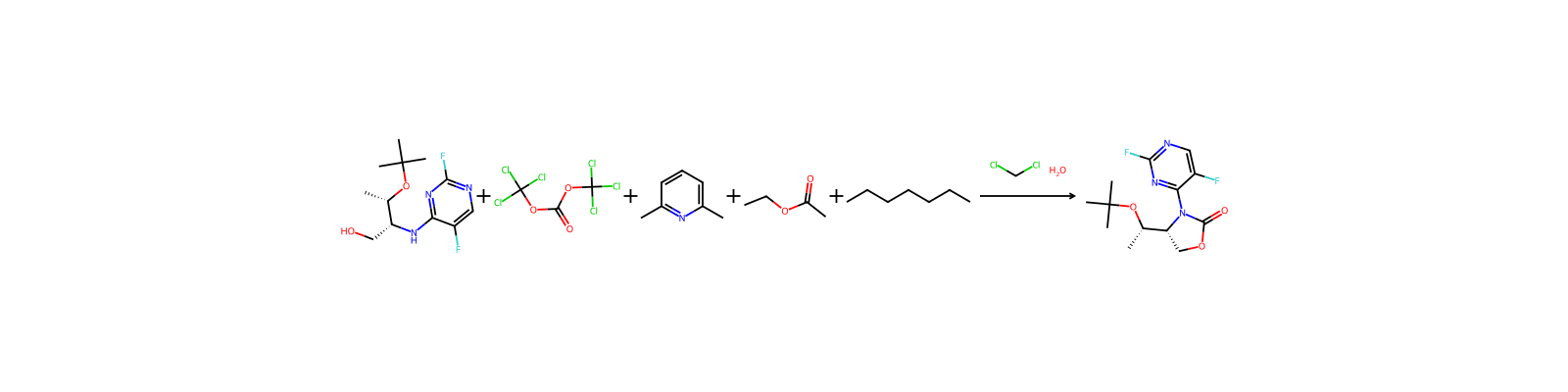
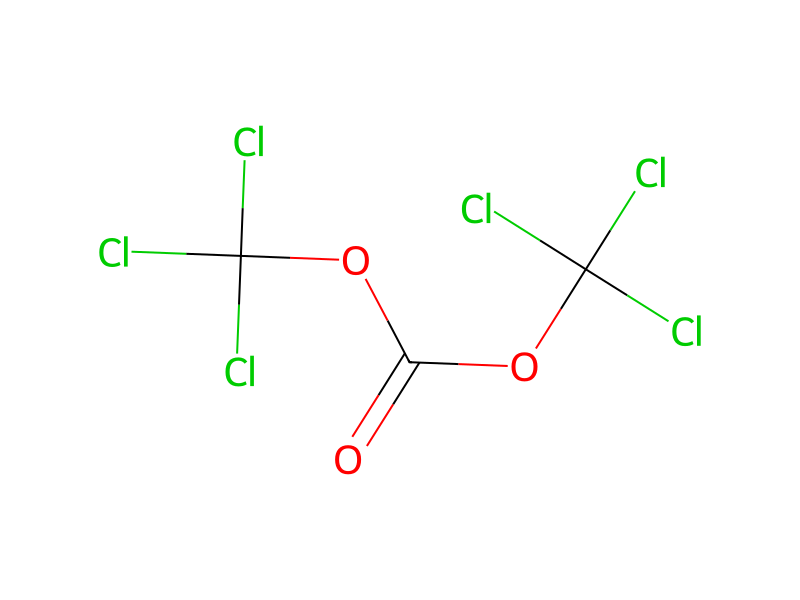
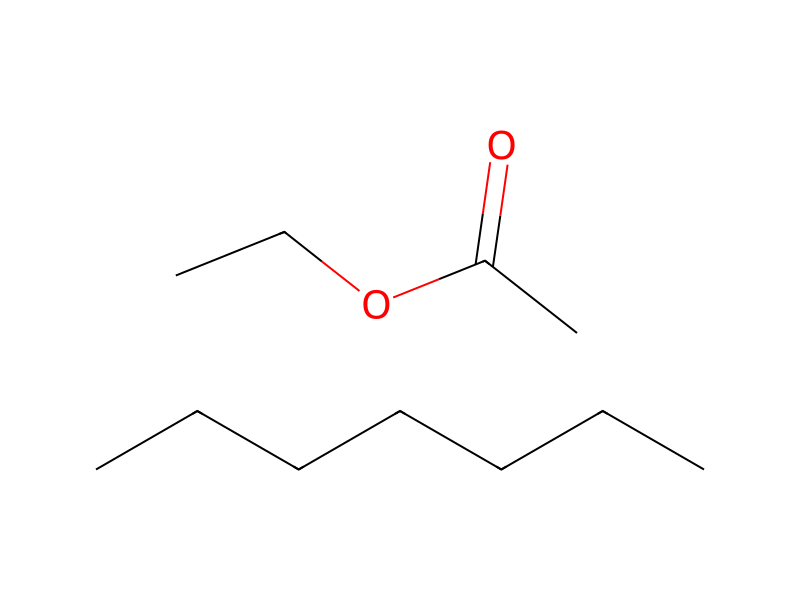
To a round bottom flask containing (2R,3S)-3-(tert-butoxy)-2-((2,5-difluoropyrimidin-4-yl)amino)butan-1-ol (1.56 g, 5.67 mmol) and a stir bar under nitrogen was added DCM (57 mL). The resulting reaction mixture cooled to −70° C. in a dry ice/acetone bath. To this cold solution was added triphosgene (0.93 g, 3.12 mmol) followed by the addition of 2,6-dimethylpyridine (2.64 ml, 22.7 mmol). The resulting reaction mixture allowed to warm to room temperature and stirred 90 hr at room temperature. The reaction mixture was then diluted with DCM and water and allowed to stir 1 hr at room temperature. The phases were then partioned and aqueous phase extracted with DCM. Organic phases combined, washed with water, brine, dried (Na2SO4), filtered and concentrated onto silica gel. Silica gel column chromatography (EtOAc/Heptane 0 to 100%) provided (R)-4-((S)-1-(tert-butoxy)ethyl)-3-(2,5-difluoropyrimidin-4-yl)oxazolidin-2-one (0.59 g, 1.96 mmol, 35% yield) as a white crystalline. 1H NMR (400 MHz, CDCl3) δ 1.03 (s, 9H) 1.16 (d, J=6.65 Hz, 3H) 4.15 (qd, J=6.39, 1.96 Hz, 1H) 4.43-4.52 (m, 1H) 4.59-4.72 (m, 2H) 8.43 (d, J=1.57 Hz, 1H). LCMS m/z 246.0 (-t-butyl fragment) (M+H)+, Rt 0.88 min.