StartseiteMCPSkillsWorkbenchOpenChem
StartseiteWorkbenchBenachrichtigungenMein Bereich
llms.txt · skill.md · MCP-AnleitungDatenschutz · Nutzungsbedingungen · Supportv1.8.6
  1. Startseite
  2. /Reaktion

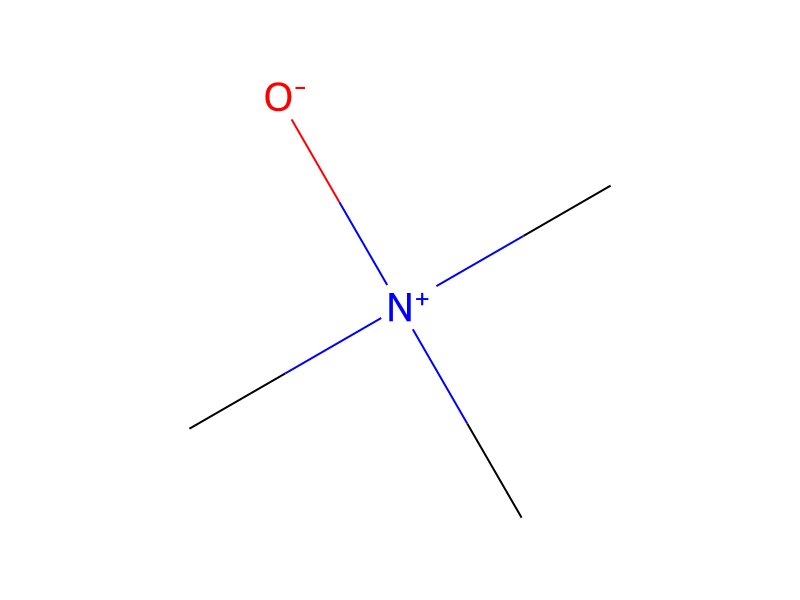
Trimethylamine oxide → Midazolam 5-oxide

HRID 582290
Drucken

Reaktionsgleichung

[Cl:1][C:2]1[CH:3]=[CH:4][C:5]2[N:11]3[C:12]([CH3:15])=[N:13][CH2:14][CH:10]3[CH2:9][N+:8]([O-:16])=[C:7]([C:17]3[CH:22]=[CH:21][CH:20]=[CH:19][C:18]=3[F:23])[C:6]=2[CH:24]=1.[OH-].[NH4+].C[N+]([O-])(C)C>[Ru]([O-])(=O)(=O)=O.C([N+](CCC)(CCC)CCC)CC.C(Cl)Cl>[Cl:1][C:2]1[CH:3]=[CH:4][C:5]2[N:11]3[C:12]([CH3:15])=[N:13][CH:14]=[C:10]3[CH2:9][N+:8]([O-:16])=[C:7]([C:17]3[CH:22]=[CH:21][CH:20]=[CH:19][C:18]=3[F:23])[C:6]=2[CH:24]=1
KomponentenVersuchsvorschriftAufarbeitungQuellen und NachweiseNotizen zur Reaktion

Komponenten

6

Edukt 3

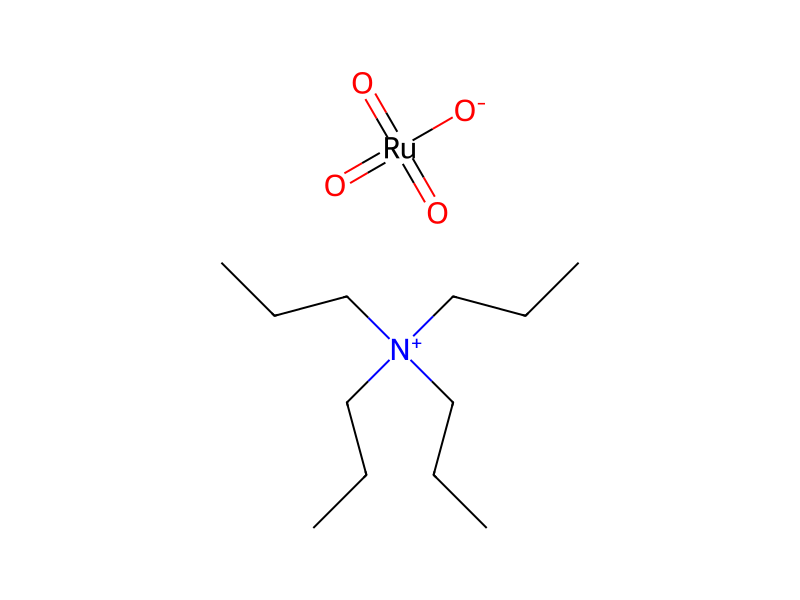
HCID 1145Trimethylamine oxide2×HCID 14923Ammonium HydroxideHCID 118241068-Chloro-6-(2-fluorophenyl)-3a,4-dihydro-1-methyl-3H-imidazo[1,5-a][1,4]benzodiazepine-5-oxide

Produkt 1

HCID 15563268Midazolam 5-oxide

Reagenzien, Katalysatoren, Lösungsmittel 2

HCID 178419074HCID 178419074, Verbindung
Katalysator
2×
HCID 6344DichloromethaneLösungsmittel

Versuchsvorschrift

8-Chloro-6-(2-fluorophenyl)-3a,4-dihydro-1-methyl-3H-imidazo[1,5-a][1,4]benzodiazepine-5-oxide (IX, EXAMPLE 7, 20.00 g, 46 mmol) is partitioned between ammonium hydroxide (10%, 100 ml) and methylene chloride (100 ml). The layers are separated and the aqueous phase is extracted with additional methylene chloride (2×50 ml). The combined organic extracts are concentrated to dryness and the solids are redissolved in acetonitrile (200 ml). To this mixture is added powdered molecular sieves (20 g) and trimethylamine-N-oxide (7.6g, 68 mmol) followed by one activated TPAP sample from above. The reaction mixture is heated to reflux and the next sample of TPAP and an additional trimethylamine-N-oxide (7.66 g, 68 mmol) is added after 6 hr and again after 18 hr. The mixture is heated at reflux for 42 hr at which time HPLC shows only 6% starting material remaining. The reaction mixture is concentrated to dryness and ethyl acetate (100 ml) is added back. The slurry is chromatographed (magnesol, 100 g) until no more product is eluding with et acetate. The combined column fractions are concentrated to about 60 ml and heptane (140 ml) is added slowly. The product is cooled to -15° overnight, collected by vacuum filtration, washed with cold heptane and dried in the vacuum oven at 40° to give the title compound.

Aufarbeitung

  1. customThe layers are separated
  2. extractionthe aqueous phase is extracted with additional methylene chloride (2×50 ml)
  3. concentrationThe combined organic extracts are concentrated to dryness
  4. dissolutionthe solids are redissolved in acetonitrile (200 ml)
  5. additionTo this mixture is added
  6. temperatureThe reaction mixture is heated
  7. temperatureto reflux
  8. temperatureThe mixture is heated
  9. temperatureat reflux for 42 hr at which time HPLC
  10. concentrationThe reaction mixture is concentrated to dryness and ethyl acetate (100 ml)
  11. additionis added back
  12. customThe slurry is chromatographed (magnesol, 100 g) until no more product
  13. concentrationThe combined column fractions are concentrated to about 60 ml and heptane (140 ml)
  14. additionis added slowly
  15. temperatureThe product is cooled to -15° overnight
  16. filtrationcollected by vacuum filtration
  17. washwashed with cold heptane
  18. customdried in the vacuum oven at 40°

Quellen und Nachweise

ORD-Eintrag
ord-3dbd4d1f9cbc4ddaa478291af5d79cf0
Quelldatensatz
uspto-grants-1999_07
DOI
10.6084/m9.figshare.5104873.v1
Patentnummer
US05922892

Notizen zur Reaktion

Auf dieser SeiteKomponentenVersuchsvorschriftAufarbeitungQuellen und NachweiseNotizen zur Reaktion