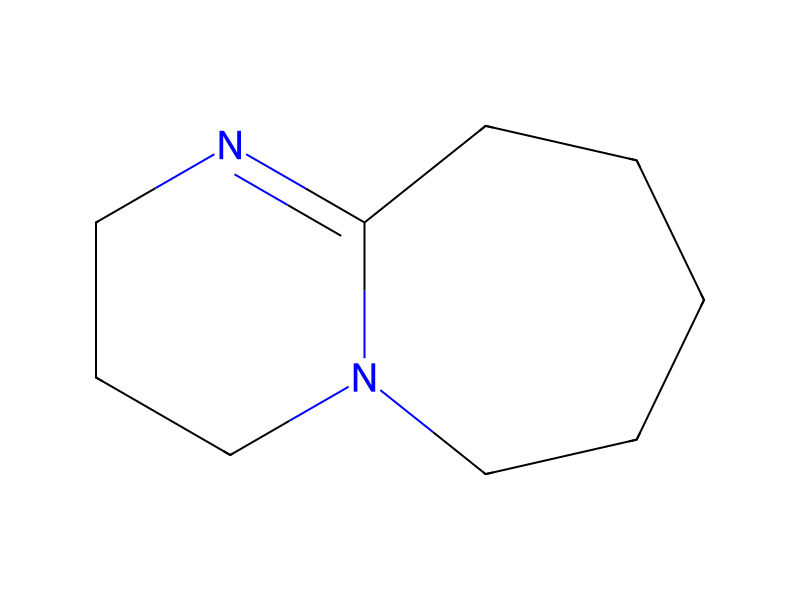
[F:1][C:2]([F:31])([F:30])[C:3]1[CH:4]=[C:5]([CH:23]=[C:24]([C:26]([F:29])([F:28])[F:27])[CH:25]=1)[C:6]([N:8]1[CH2:13][CH2:12][NH:11][CH2:10][C@H:9]1[CH2:14][C:15]1[CH:20]=[CH:19][C:18]([CH3:21])=[C:17]([CH3:22])[CH:16]=1)=[O:7].N12CCCN=C1CCCCC2.[CH:43]([CH:45]=[CH2:46])=[O:44]>O1CCCC1.O>[F:31][C:2]([F:1])([F:30])[C:3]1[CH:4]=[C:5]([CH:23]=[C:24]([C:26]([F:27])([F:28])[F:29])[CH:25]=1)[C:6]([N:8]1[CH2:13][CH2:12][N:11]([CH2:46][CH2:45][CH:43]=[O:44])[CH2:10][C@H:9]1[CH2:14][C:15]1[CH:20]=[CH:19][C:18]([CH3:21])=[C:17]([CH3:22])[CH:16]=1)=[O:7]A mixture of (2R)-1-[3,5-bis(trifluoromethyl)benzoyl]-2-(3,4-dimethylbenzyl)piperazine (500 mg) and 1,8-diazabicyclo [5.4.0]undec-7-ene (1.5 μl) in tetrahydrofuran (2.5 ml) was cooled to −30° C. with stirring under nitrogen atmosphere. Acrolein (90%, 0.225 ml) was added to the mixture while maintaining the temperature at −20˜−40° C. for a period of 10 minutes and then the resulting mixture was stirred at 0° C. After 6 hours, the reaction mixture was diluted with water and extracted with ethyl acetate. The extract was washed with brine and dried over magnesium sulfate. After evaporation of the solvent under reduced pressure, the resulting residue was chromatographed on a silica gel using a mixture of hexane and ethyl acetate as eluent to give (2R)-1-[3,5-bis(trifluoromethyl)benzoyl]-2-(3,4-dimethylbenzyl)-4-(2-formylethyl)piperazine (332 mg) as an oil.