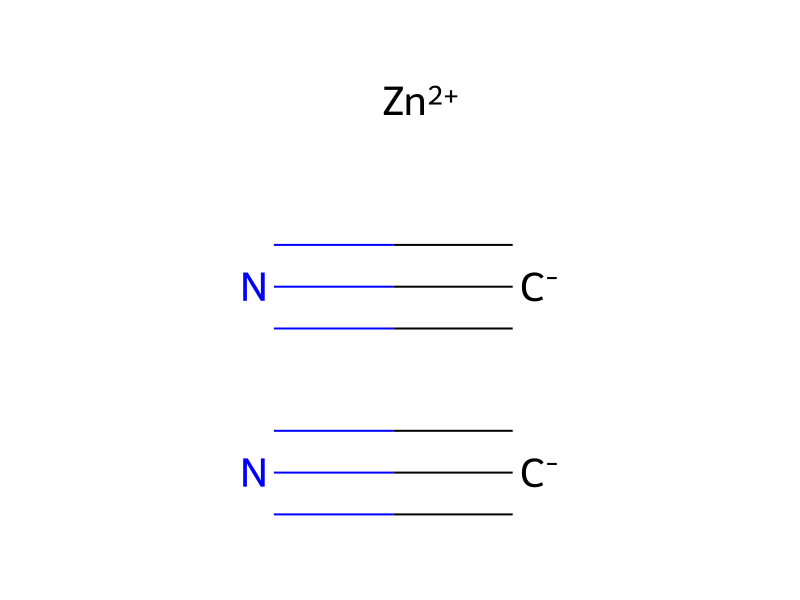
Br[C:2]1[CH:13]=[CH:12][C:5]2[C:6](=[O:11])[CH2:7][CH2:8][CH2:9][S:10][C:4]=2[CH:3]=1.O.C(OCC)(=O)C.[CH3:21][N:22](C)C=O>[C-]#N.[Zn+2].[C-]#N.C1C=CC([P]([Pd]([P](C2C=CC=CC=2)(C2C=CC=CC=2)C2C=CC=CC=2)([P](C2C=CC=CC=2)(C2C=CC=CC=2)C2C=CC=CC=2)[P](C2C=CC=CC=2)(C2C=CC=CC=2)C2C=CC=CC=2)(C2C=CC=CC=2)C2C=CC=CC=2)=CC=1>[O:11]=[C:6]1[C:5]2[CH:12]=[CH:13][C:2]([C:21]#[N:22])=[CH:3][C:4]=2[S:10][CH2:9][CH2:8][CH2:7]1To a solution of 8-bromo-5-oxo-2,3,4,5-tetrahydro-1-benzothiepine (5.00 g) synthesized according to a known method in N,N-dimethylformamide (50 ml) were added zinc cyanide (2.28 g) and tetrakis(triphenylphosphine)palladium(0) (1.13 g) and the mixture was stirred at 80-90° C. for 1 hr. The reaction mixture was allowed to warm to room temperature and water (500 ml) and ethyl acetate (100 ml) were added. The mixture was passed through celite. The filtrate was extracted with ethyl acetate and the organic layer was washed with water and dried over anhydrous magnesium sulfate. The solvent was concentrated under reduced pressure and the obtained residue was recrystallized from ethyl acetate and hexane to give the objective 5-oxo-2,3,4,5-tetrahydro-1-benzothiepine-8-carbonitrile (3.37 g) as pale yellow crystals.
Wird geladen…