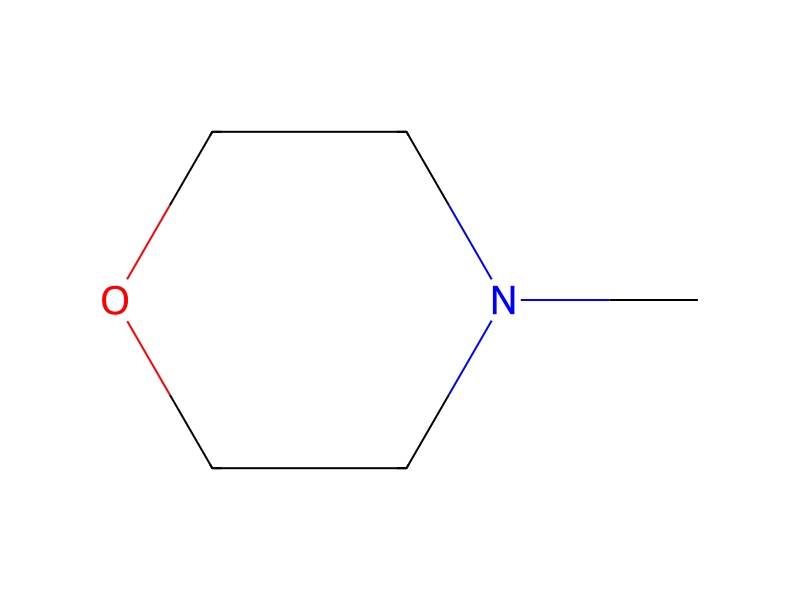
To a solution of 2-amino-5-(2-pyrrolidin-1-yl-ethyl)-benzoic acid (0.41 g, 1.75 mmol) in a mixture of THF (5.1 mL) and N,N-dimethyl formamide (1.75 mL) was added EDCl (0.84 g, 4.37 mmol), followed by HOBt (0.71 mL, 5.25 mmol). The reaction mixture was stirred for 30 minutes. Then, N-methyl morpholine (0.67 mL, 6.12 mmol) was added, followed by 50% aqueous ammonium hydroxide (1.2 mL, 17.5 mmol). The resulting mixture was stirred at room temperature for 24 hours. Then, the solvent was reduced and the residue was extracted with methylene chloride. The combined organic layers were washed with brine, water, and dried over sodium sulfate. After solvent evaporation under high vacuum, the crude orange oil (0.72 g) was purified by column chromatography (silica gel 230-400 mesh; 5/95 methylene chloride/7 N ammonia in MeOH as eluent) to give pure 2-amino-5-(2-pyrrolidin-1-yl-ethyl)-benzamide as a light yellow viscous oil. Yield: 0.16 g (39.2%).