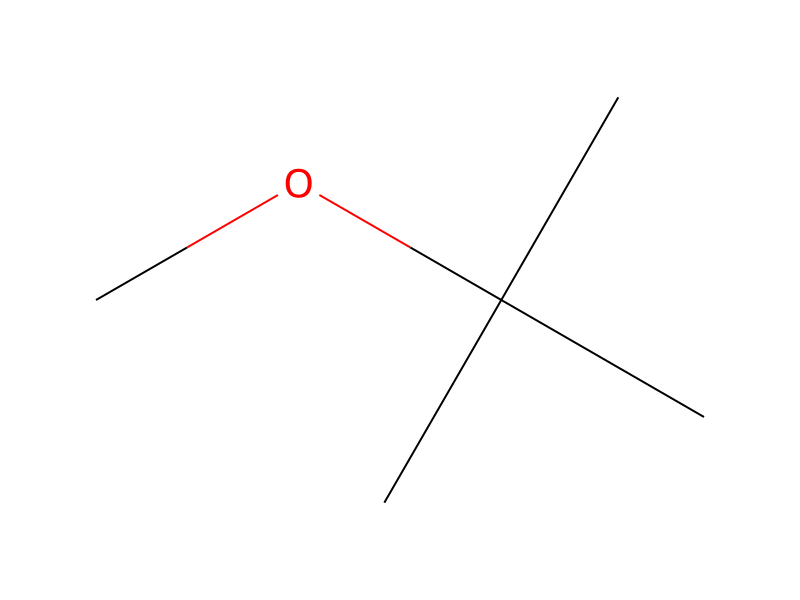
Copper (II) acetate and camphoraminomethylpyridine bis-HCl salt (504 mg) were charged to a reactor, followed by ethanol (60 mL) and diisopropylethylamine (1.16 mL). The contents were stirred for 1 h at room temperature, at which time a solution of 3-({3-[(phenylmethyl)oxy]propyl}oxy)benzaldehyde in ethanol (15 g in 15 mL) was charged. The reaction mixture was cooled to −30° C. to −40° C., whereupon nitromethane (33.9 g) was added slowly to the reaction, maintaining a temperature below −30° C., followed by diisopropylethylamine (359 mg). The reaction temperature was maintained at −30° C. for 24-48 h. When the reaction was complete, trifluoroacetic acid (952 mg) was charged to the reaction, and the contents were transferred to a separate reactor containing a room temperature solution of 1 N HCl (75 mL) and t-butyl methyl ether (TBME, 150 mL). After the addition was complete, the layers were allowed to separate and the aqueous phase removed. The organic phase was then washed with water (75 mL) and the aqueous phase removed. The solution of product in TBME was then filtered through a pad of silica gel (15 g) which was rinsed with TBME. The product was stored cold as a solution in TBME, to be swapped to ethanol prior to the subsequent hydrogenation step.