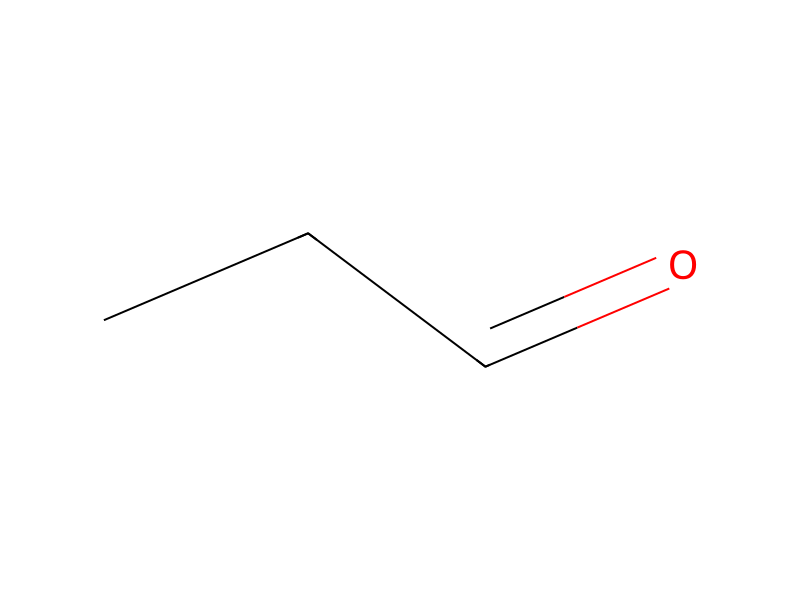
To a solution containing 0.063 g (0.27 mmol) of 5-amino-3-(2,4-dimethylphenyl)-1-methylpyridin-2(1H)-one in 20 ml of dichloromethane was added 0.060 ml (0.83 mmol) of propionaldehyde followed by 0.20 g (0.94 mmol) of sodium triacetoxyborohydride under a nitrogen atmosphere. The reaction was allowed to stir at 25° C. overnight. The reaction was diluted with dichloromethane and washed with saturated sodium bicarbonate. The organic phase was dried over magnesium sulfate. Filtration, removal of solvent and purification of the residue via biotage eluting with ethyl acetate gave 0.088 g (100%) of product.